15°C New York
March 23, 2026
####################Take juste the desired section
Technology

####################Take juste the desired section

Mar 23, 2026

The days of manually dialing your wall heater are officially over. In 2026, a thermostat is no longer just a switch—it is the “brain” of your home’s climate. With the universal adoption of the Matter protocol and the rise of AI-driven adaptive learning, the best smart thermostats of this year do more than just follow a schedule; they predict your needs before you even feel a draft.

Whether you are looking to slash your utility bills, integrate with Apple HomeKit, or finally balance the temperature in that one “always cold” bedroom, we have tested the top contenders to help you find the perfect match for your US home.

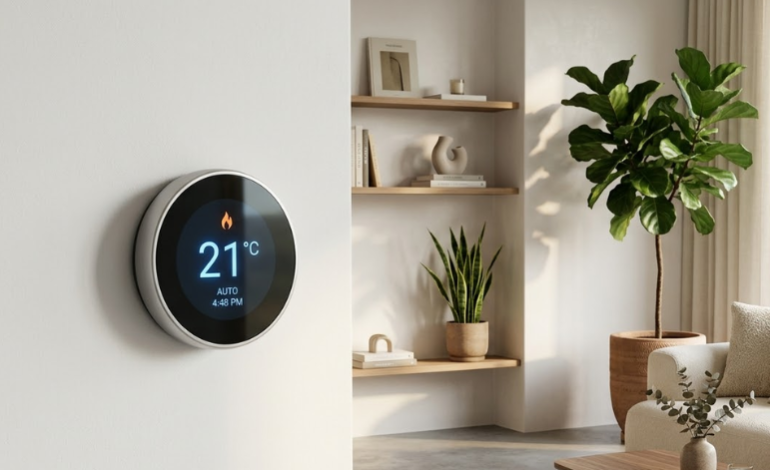
1. Why You Need to Upgrade in 2026

If you are still using a 1st-generation smart thermostat or, worse, a “dumb” programmable one, you are leaving money on the table. Modern HVAC systems in the US have become more complex.

    • Matter & Thread Support: 2026 is the year of seamless connectivity. We prioritize devices that work across Alexa, Google Home, and Apple HomeKit without needing five different “bridges.”
    • AI Energy Optimization: The latest models use local AI to analyze weather patterns and your “Time of Use” (TOU) electricity rates to pre-cool or pre-heat your home when energy is cheapest.
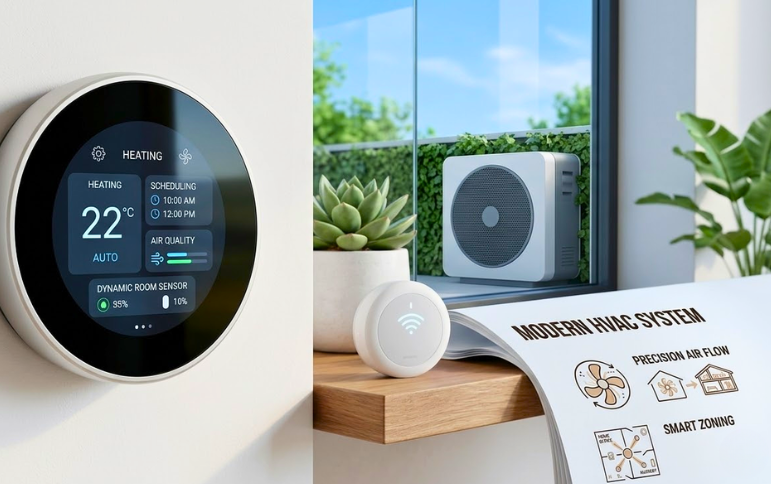
    • Dynamic Room Sensing: Forget the living room temperature. We look at systems that use remote sensors to ensure your home office or nursery stays comfortable.
Modern HVAC systems

2. Best Overall: Ecobee Smart Thermostat Premium (2026 Edition)

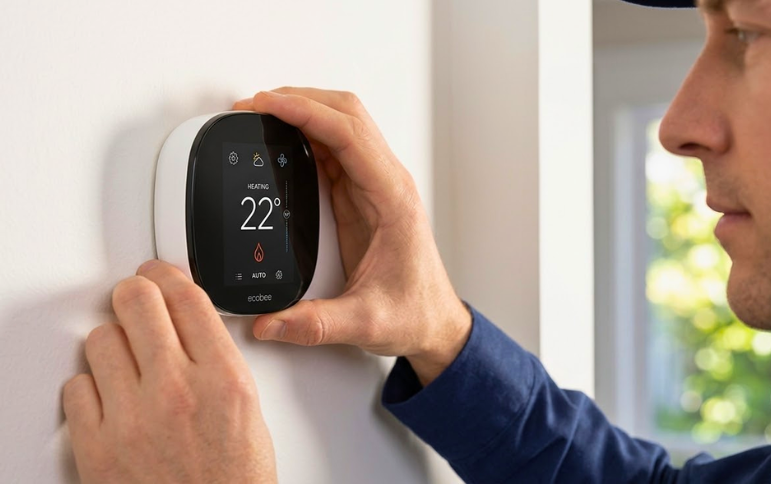
The Ecobee Premium remains the king of the mountain for most American households. It’s not just a thermostat; it’s a security hub and an air quality monitor.

Key Features:

    • Built-in Air Quality Monitor: Tracks VOCs and humidity, alerting you when it’s time to change your furnace filter.

    • Siri & Alexa Integration: It has a built-in speaker and microphone, acting as a mini-smart speaker on your wall.

    • Included SmartSensor: Best-in-class occupancy detection to solve “cold spot” issues.

Ecobee Smart Thermostat Premium

3. Best for Google Home Users: Nest Learning Thermostat (Gen 5)

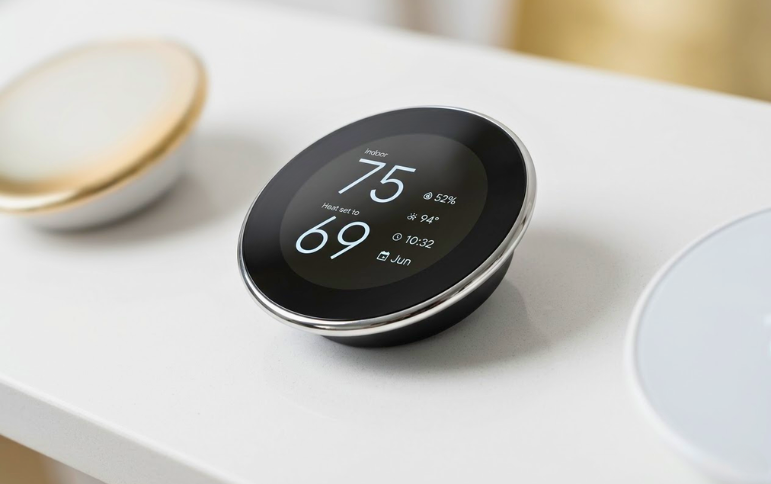
Nest invented this category, and the Gen 5 remains the most beautiful device for your wall. Its “farsight” technology has been updated to show weather animations and your current energy savings in real-time.

3.1 The "Learning" Advantage

Nest’s primary strength is its simplicity. You don’t program it; you just live your life. Within a week, it learns that you like the house at 68°F (20°C) at 10:00 PM and starts doing it for you.

nest learning thermostat gen5 4k in usa

3.2 Pros

  • Energy Star Certified: Often qualifies for rebates from US utility companies like PG&E or ConEd.

  • Renewable Energy Integration: Can automatically prioritize running your AC when your local grid is using wind or solar power.

4. Best Budget Pick: Wyze Thermostat v2

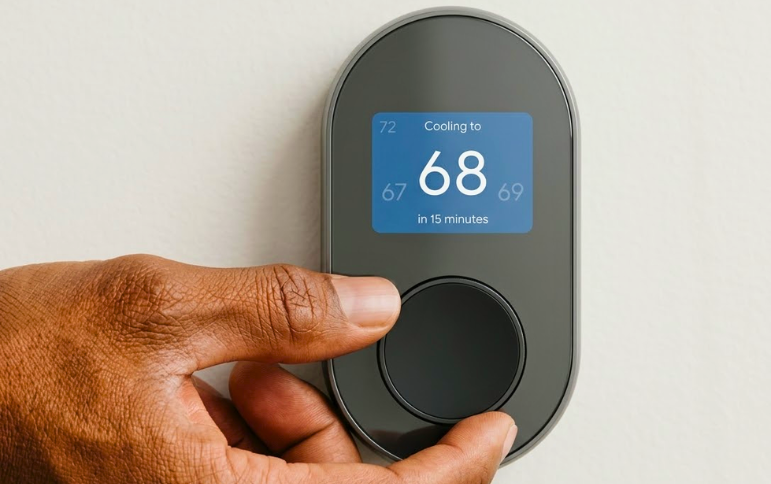
For under $100, the Wyze v2 proves that “Smart” doesn’t have to mean “Expensive.” It lacks the fancy glass finishes of Ecobee, but it covers 90% of what a US homeowner needs.

  • Easy DIY Install: Comes with a clear step-by-step app guide.

  • C-Wire Adapter Included: Essential for older US homes that don’t have a dedicated power wire for smart tech.

wyze thermostat v2

5. The "Matter" Revolution: Why Compatibility is Your Top Priority

In your TechHomeUSA reviews, we must emphasize Matter. Matter is the new “language” of the smart home.

  • Old Way: Checking if a box says “Works with Alexa.”

  • 2026 Way: If it has the Matter logo, it works with everything.

Choosing a Matter-enabled thermostat ensures that if you switch from an Android phone to an iPhone, you don’t have to replace your $250 thermostat.

6. Installation Guide: What Every US Homeowner Should Know

Before you buy, you need to check your C-Wire (Common Wire). Most smart thermostats require a constant 24V power supply.

  1. Pop the Cover: Take your old thermostat off the wall.

  2. Look for the Blue Wire: Usually, the “C” wire is blue. If you don’t see it, look for a “Power Extender Kit” (PEK) in the box of your new Ecobee or Nest.

  3. Check Your Voltage: Most US homes use low-voltage (24V) systems. If you have electric baseboard heat, you likely have a high-voltage system and need a specific thermostat like Mysa.

7. How Much Can You Actually Save?

Based on US Department of Energy data, a properly configured smart thermostat can save you an average of 8% to 15% on heating and cooling costs. In states with high energy prices like California or New York, the device literally pays for itself in less than 12 months.

8. Final Verdict: Which One Should You Buy?

  • The Tech Enthusiast: Go with the Ecobee Premium. The extra sensors and air quality tracking are worth the $249 price tag.

  • The Minimalist: Go with the Nest Learning Thermostat. It looks like a piece of art and requires the least amount of “fiddling.”

  • The Budget Builder: The Wyze v2 is the best bang-for-your-buck.

FAQ: Frequently Asked Questions

  • Does a smart thermostat work without Wi-Fi? Yes, it will work like a normal thermostat, but you will lose the ability to control it from your phone or receive energy reports.

  • Can I install it myself? Yes, over 90% of US homeowners can install a smart thermostat in under 30 minutes with just a screwdriver.

  • Are there rebates available? Check your local utility provider’s website. Many US companies offer $50–$100 rebates for installing an Energy Star-certified thermostat.

“In 2026, the question is no longer if you should automate your climate control, but how much you are willing to save. A smart thermostat is the single most effective ROI upgrade you can make for a modern US home today”

Leave a Reply

Your email address will not be published. Required fields are marked *