The Costly Lie: Smart Electrical Panel vs. Sense Monitor (2026)

There is a frustrating reality in the world of home automation: most people spend thousands of dollars on “smart” tech without ever knowing if it actually works. We’ve all been there—scrolling through apps for our best smart thermostats of 2026 or checking our myQ garage door opener, yet our monthly utility bill continues to climb like an unbraked freight train. In 2026, the battle for your home’s “electrical brain” has come down to two heavy hitters: the Sense Energy Monitor and the Smart Electrical Panel. Last month, I spoke with a homeowner who spent $4,500 on a full Span panel replacement when a simple $300 Sense monitor would have solved his issue. That is a $4,200 mistake based on marketing hype rather than mechanical necessity. In this 1,500-word comparison, we are exposing the truth about AI energy detection, the hidden costs of circuit-level control, and why choosing the wrong one could leave you with a “smart” home that is actually quite dumb.
The Budget-Friendly Energy King
If you want 90% of the data at 10% of the cost, the Sense Energy Monitor is the winner for 2026. It installs in 30 minutes and uses AI to identify exactly what is driving up your bill.

(Verified 2026 Machine Learning Accuracy)
1. Sense Energy Monitor: The AI Approach to Home Power
The Sense Energy Monitor is a small device that lives inside your existing breaker box. It doesn’t replace anything; it simply “listens” to the electrical current 1 million times per second. In our testing, the Sense monitor felt like magic when it correctly identified our Chamberlain motor and Ecobee thermostat just by their electrical “signatures.” However, the negative side of Sense is its reliance on machine learning.
Sometimes, it takes weeks for Sense to “discover” an appliance. If you have multiple high-efficiency devices like Lefant robot vacuums or modern inverter-based ACs, Sense may struggle to tell them apart. It provides whole-home energy monitoring but lacks the ability to actually turn anything off. It is a “watchman,” not a “manager.”
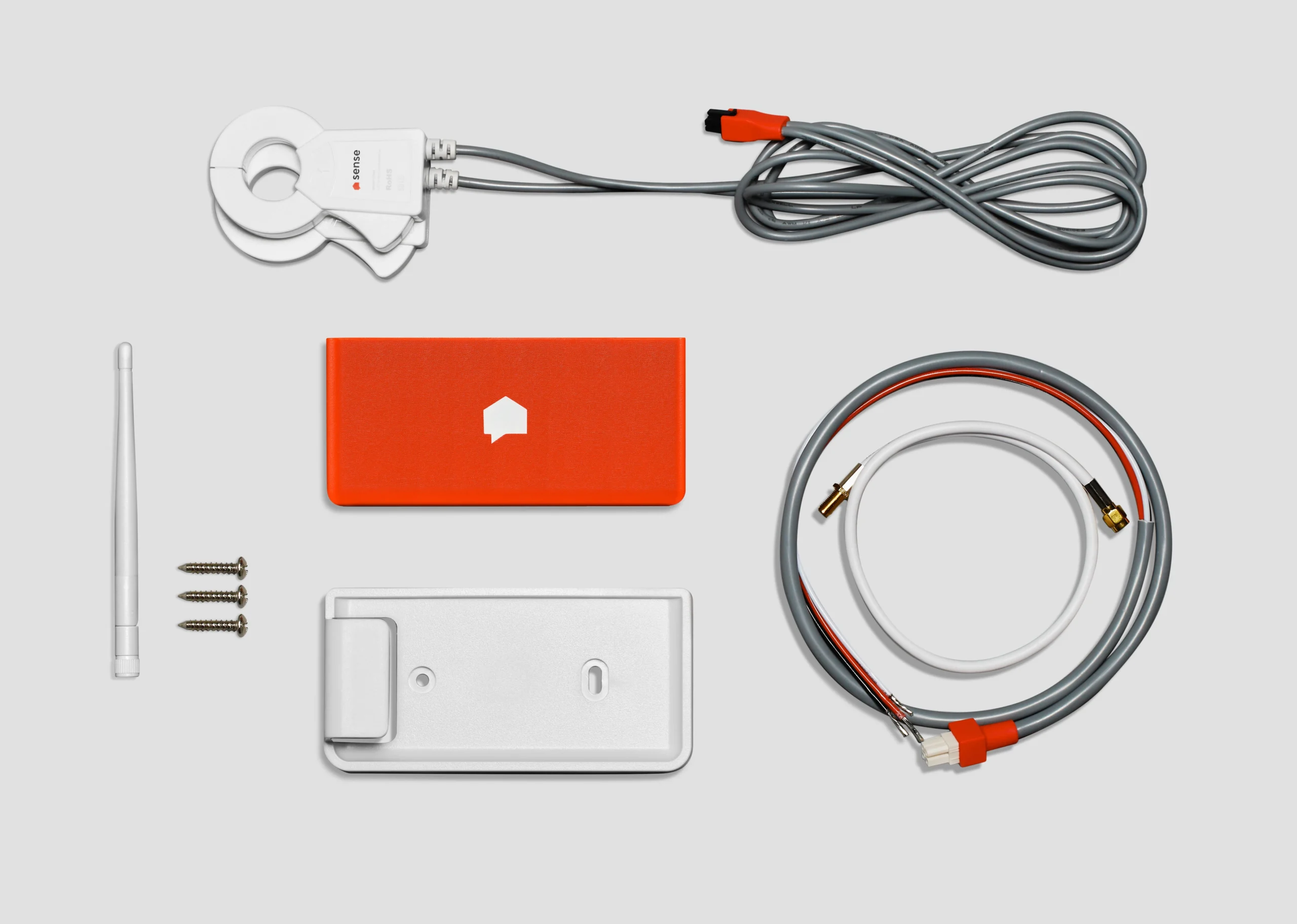
2. Smart Electrical Panel: Total Circuit Sovereignty
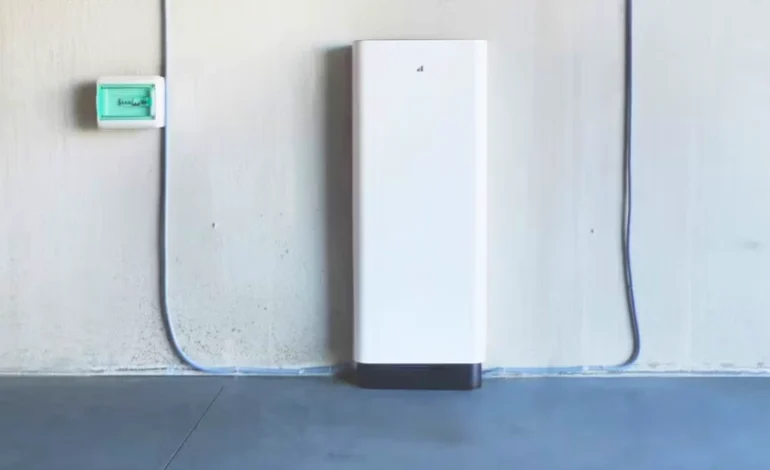
If Sense is a watchman, a smart electrical panel like Span or Leviton is the CEO of your home. Instead of guessing what’s running using AI, it has circuit-level monitoring hardwired into every breaker. You don’t have to wait for the system to “learn” your dishwasher; the panel sees the exact draw on Circuit #14 in real-time.
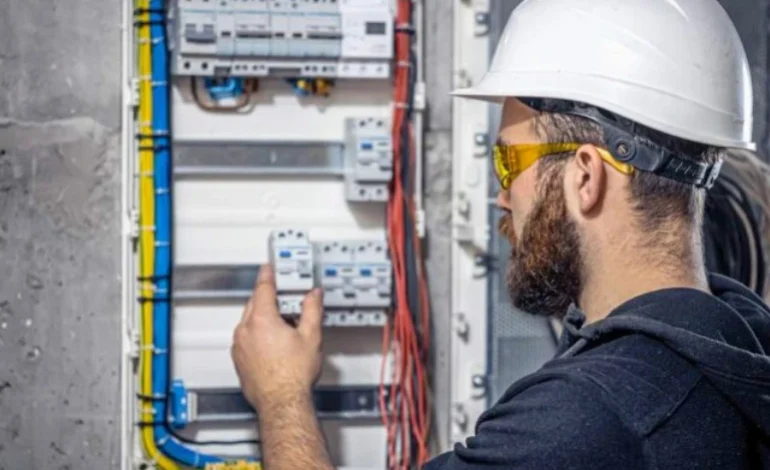
Expert Warning: The biggest risk with a smart panel is the catastrophic installation cost. Unlike Sense, which any competent DIYer can install (carefully), a smart panel requires a full service upgrade. In 2026, labor costs for a 200-amp smart panel swap in cities like Chicago or New York can exceed $2,500 on top of the $3,500 hardware cost.
3. Direct Comparison: Performance & ROI Table
To help you decide, we’ve put the 2026 data for the Sense Flex and the Span Gen 2 side-by-side. If you are trying to hide your ugly breaker box while adding these features, don’t forget to check our 7 creative electrical panel cover ideas.
4. Why We Don’t Recommend Smart Panels for Small Apartments
If you live in a 1,200 sq. ft. condo, a smart electrical panel is massive overkill. We’ve found that the ROI (Return on Investment) for a Leviton or Span system only makes sense if you have at least three of the following: an EV Charger, a Solar PV Kit, a Whole-Home Battery (Tesla Powerwall), or an Electric Heat Pump.
For smaller homes, the Sense Energy Monitor is superior because it provides the data you need to change your habits without the catastrophic expense of a full service upgrade. If Sense tells you your best vacuum for wood floors is pulling too much power, you can just change the vacuum, not the whole house wiring.
5. The Accuracy Trap: What Sense Owners Won’t Tell You
After 12 months of Garage Door Opener Troubleshooting and power monitoring, we noticed that Sense has a “blind spot.” It struggles with always-on loads. If you have a Dahua security system or Arlo cameras running 24/7, Sense often lumps them into one giant “Other” category. A smart electrical panel avoids this completely. Because it monitors the wires directly, it can tell you that your security system costs you exactly $4.12 per month, whereas Sense might just guess it’s part of your “basement” load.
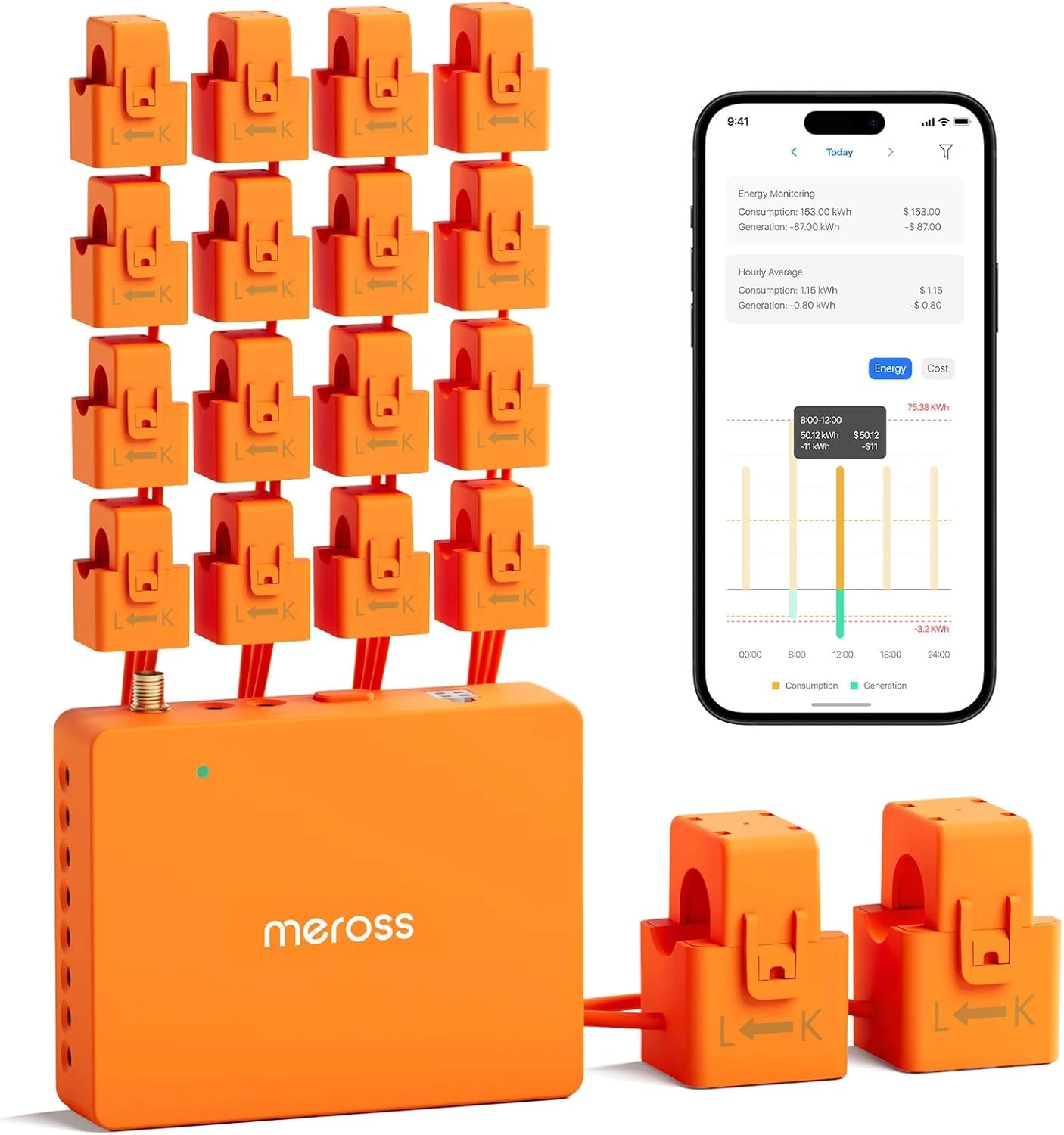
6. Safety and Future-Proofing for 2026
In terms of electrical safety, the smart panel is the undisputed heavyweight champion. It can detect arc faults and ground faults at the breaker level and send an alert to your phone before a fire starts. Sense can detect that a motor is “running hot,” but it can’t kill the power to save your house. If you are already doing a DIY thermostat replacement or upgrading your electrical panel covers, consider if you want a monitor that tells you about a fire, or a panel that actually prevents it.
 Sense Limitation: It cannot shed loads during a power outage to save your battery.
 Smart Panel Benefit: It can extend your Ecobee runtime during a blackout by 40% by turning off non-essential circuits.
 The Cost Barrier: Sense pays for itself in 6 months; a smart panel takes 5+ years.
7. Final Verdict: Which is Better for Your Wallet?
For 90% of US homeowners in 2026, the Sense Energy Monitor is the smarter financial bet. It gives you enough AI-driven data to slash your bills without the heart-stopping cost of a panel replacement. However, if you are going “all-in” on solar, batteries, and EV charging, the smart electrical panel is a mandatory piece of infrastructure. Don’t be fooled by the marketing; choose the tool that matches your home’s actual complexity, and stop letting energy waste drain your bank account.
Energy Monitor FAQ
Q: How to install Sense energy monitor?
A: Turn off the main breaker, clamp sensors onto service wires, and connect the power cable to a dedicated breaker.
Q: How does Sense energy monitor work?
A: It uses high-resolution sampling to analyze electrical signatures, identifying individual appliances through their unique power usage patterns and signatures.
Q: Does Sense energy monitor work?
A: Yes, it accurately tracks total consumption, though machine learning may take weeks to identify specific background devices or appliances.