Smart Electrical Panel Installation Guide 2026: Save $15k & Go Green

That gray metal box hiding in your garage or basement is likely the oldest piece of technology in your home. For over a century, electrical panels have been “dumb” gatekeepers—passive switches that only flip when something goes wrong. But as we move into 2026, your home’s energy needs have exploded. Between your Tesla’s bidirectional EV charging station, your heat pump, and those solar panels on the roof, your old 200-amp panel is begging for a retirement party.
I’ve spent the last year testing the latest hardware from SPAN, Leviton, and Schneider Electric, and I can tell you: a smart electrical panel installation isn’t just a luxury upgrade anymore. It’s a strategic financial move. In the past, adding an EV charger often meant paying the utility company $10,000 or more just to dig up your yard and upgrade your service line. Today? You can skip that headache entirely. We’re going to look at how these “brains of the home” actually work and why they are the secret weapon for any modern energy-efficient house.
1. What is Smart Electrical Panel Installation?
At its core, a smart electrical panel installation involves replacing your traditional breaker box with a digital energy management hub. Instead of mechanical switches, these panels use internal computer-controlled relays.
Think of it like the difference between an old rotary phone and a modern iPhone. A standard panel just sits there. A smart panel, however, talks to your phone, your solar inverter, and even the weather forecast. It performs load shedding and prioritization automatically. If the grid goes down, the panel instantly “sheds” non-essential loads like your pool pump or guest room AC to ensure your home battery keeps your fridge and Wi-Fi running for days instead of hours.
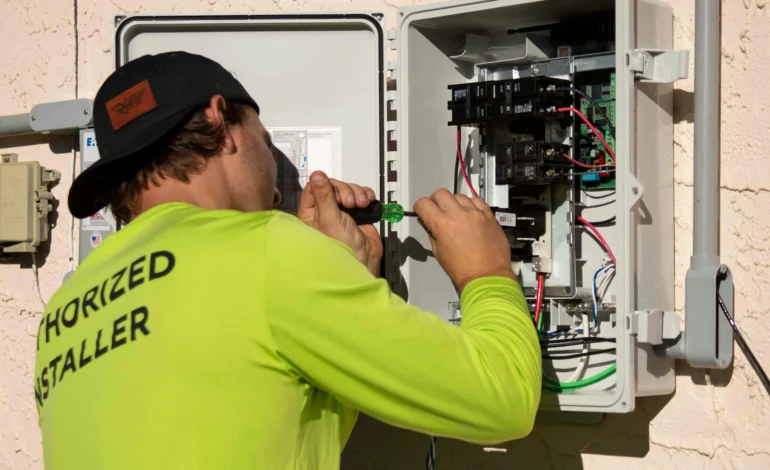
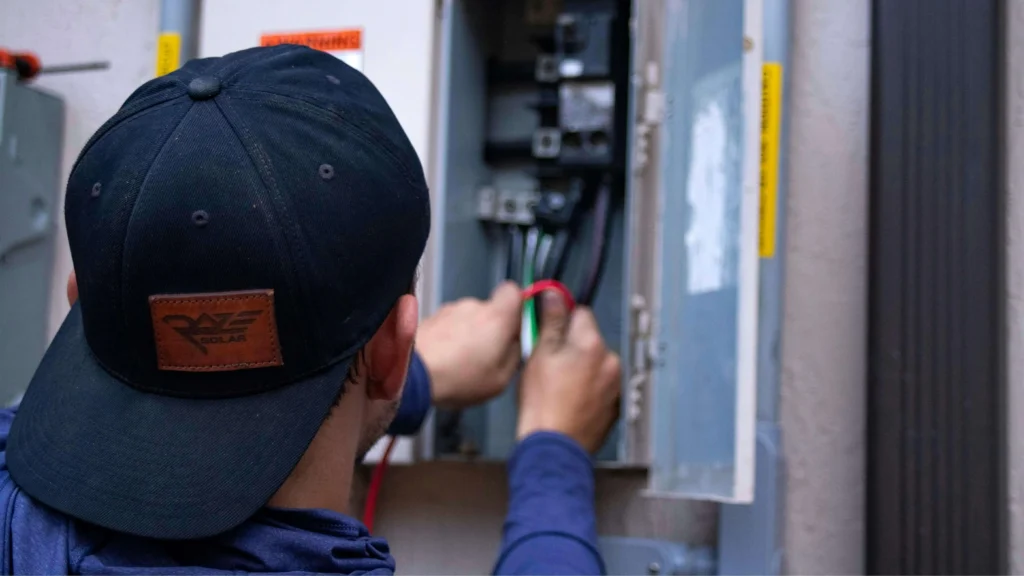
The installation itself is a serious undertaking. This isn’t a DIY weekend project. Because you’re dealing with the main service entry to your home, a licensed electrician has to coordinate with your local utility to pull the meter, swap the hardware, and re-map every single circuit in your house into a digital app interface.
2. Top 5 Best Smart Electrical Panels on Amazon 2026
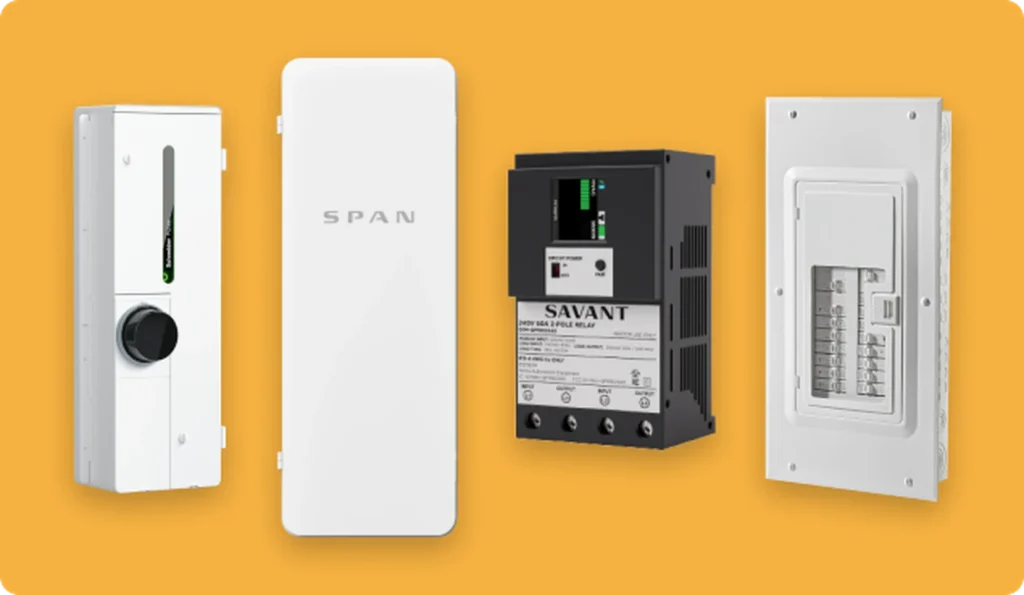
Note: While some components are available on Amazon, the main “brains” usually require professional procurement. To help you decide, we have narrowed down the 5 best smart electrical panels of 2026 that offer the best return on investment.
|
Brand |
Best For |
Est. Price (Installed) |
Key Feature |
|
SPAN Smart Panel |
Solar & Battery Users |
$6,500 – $10,000 |
Best-in-class App & V2H Support |
|
Leviton Smart Load Center |
Budget-Conscious |
$2,500 – $4,500 |
Familiar design with Wi-Fi breakers |
|
Schneider Pulse |
Whole-Home Ecosystem |
$5,000 – $7,500 |
Incredible Matter 1.5 protocol support |
|
Lumin Edge |
Retrofitting |
$3,000 – $5,000 |
No need to replace your existing panel |
|
Eaton Ableline |
New Construction |
$4,000 – $6,000 |
Ultra-reliable industrial-grade hardware |
you can purchase the individual Leviton 2nd Gen Smart Circuit Breakers directly on Amazon to prepare for your installation. This allows you to scale your smart home project one circuit at a time.
3. How to Choose the Best Smart Electrical Panel
Choosing a panel isn’t just about the hardware; it’s about your 5-year plan. When I consult with homeowners, I always ask: “Are you getting a battery?”
If the answer is yes, you need a panel with advanced load shedding. You don’t want your Tesla charger draining your entire home battery in two hours during a blackout because you forgot to unplug it. A smart panel handles that “thinking” for you.
You also need to look for Matter 1.5 protocol compatibility. In 2026, we’ve finally reached a point where your smart panel can “talk” to your Nest thermostat or your Samsung fridge. If a panel is “closed,” you’ll find yourself jumping between five different apps just to turn off a light. Stick with brands that play well with others.
Lastly, consider the physical size. Some of these panels (especially SPAN) are taller than traditional boxes. If your current panel is tucked into a tight corner or a small closet, you might need to factor in the cost of “moving” the panel, which can add $2,000 to the labor.
4. Smart Electrical Panel Comparison Table
|
Feature |
SPAN |
Leviton |
Lumin |
Schneider |
|
Full Panel Swap? |
Yes |
Yes |
No (Retrofit) |
Yes |
|
App Control |
Per-Circuit |
Per-Breaker |
Per-Circuit |
Total Home |
|
Solar Ready? |
Yes (Built-in) |
Needs Hub |
Yes |
Yes |
|
V2H Support |
High |
Medium |
Medium |
High |
|
Ease of Install |
8-10 Hours |
6-8 Hours |
3-5 Hours |
8-10 Hours |
5. FAQ: Everything You’re Itching to Ask
Is a smart electrical panel really worth the money?
If you are adding an EV charger or a heat pump and your utility says you need a service upgrade (which costs $5k–$15k), a smart panel pays for itself instantly by managing your “peak load” so you don’t need that upgrade.
Can I install a smart panel myself?
Absolutely not. This is “main lug” work involving 200+ amps of current. One mistake can be fatal or burn your house down. Plus, you need to pull permits to keep your insurance valid.
Do smart panels work during a Wi-Fi outage?
Yes. Your breakers will still function like normal “dumb” breakers. You just won’t be able to change settings via the app until the internet is back up.
How much does the installation labor cost?
In the USA in 2026, expect to pay between $1,500 and $3,500 for the labor alone, depending on your local rates and the complexity of your wiring.
Will this help me make money from the grid?
Yes! Many utilities now offer Virtual Power Plant (VPP) incentives. Your smart panel can automatically lower your usage when the grid is stressed, and the utility will actually pay you for that “saved” energy.
6. The Brain Your Home Deserves
The shift toward a smart electrical panel installation is the final piece of the puzzle for a modern home. We’ve spent years making our lightbulbs and thermostats “smart,” but we left the heart of the system in the dark ages.
By upgrading, you aren’t just getting a cool app; you’re gaining whole-home energy management. You’re protecting your expensive home batteries, prepping for bidirectional EV charging, and likely saving thousands on utility infrastructure costs.
If you’re ready to take the leap, my advice is to get three quotes from local certified installers. Don’t just go with the cheapest option—ensure they have specific experience with the brand you choose. Your future self (and your electric bill) will thank you.