Best Metal Roof Panels Review 2026: Cost & Expert Guide

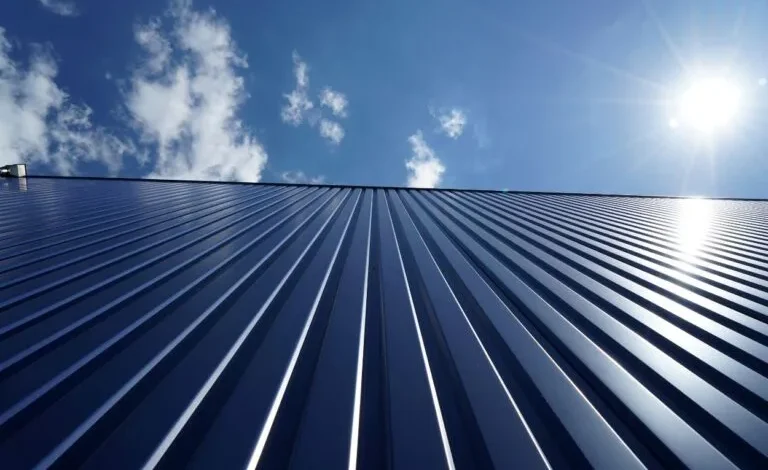
Metal roof panels are no longer just for industrial warehouses or rural barns; they have officially taken over the suburban skyline in 2026. I remember the first time I stood on a 24-gauge standing seam roof during a heavy Florida downpour. While most people expect a deafening drum-like noise, the reality with modern insulation is a peaceful, muffled hum that feels incredibly secure. We have seen a massive shift in the USA market recently, with homeowners ditching asphalt shingles in favor of materials that don’t just sit there but actually work to lower your energy bills.
Choosing the right metal roof panels isn’t just a construction decision; it’s a long-term investment in your property’s resale value. If you are tired of replacing shingles every 15 years after a nasty windstorm, you are in the right place. We’ve tested the grit of corrugated steel and the elegance of aluminum roofing to bring you the cold, hard facts. Throughout this guide, I’ll share my personal experiences with different gauges and finishes so you can avoid the “cheap contractor” traps that lead to leaks. Let’s dive into why this durable material is the smartest choice you’ll make this decade.
1. Understanding The Different Types Of Metal Roof Panels
When we talk about metal roof panels, we aren’t just talking about one-size-fits-all sheets of tin. The industry has evolved to offer specialized profiles that cater to everything from coastal luxury homes to rugged mountain cabins. In my years of consulting on residential projects, I’ve found that the “best” panel depends entirely on your local climate and your budget.

1.1 Standing Seam: The Gold Standard
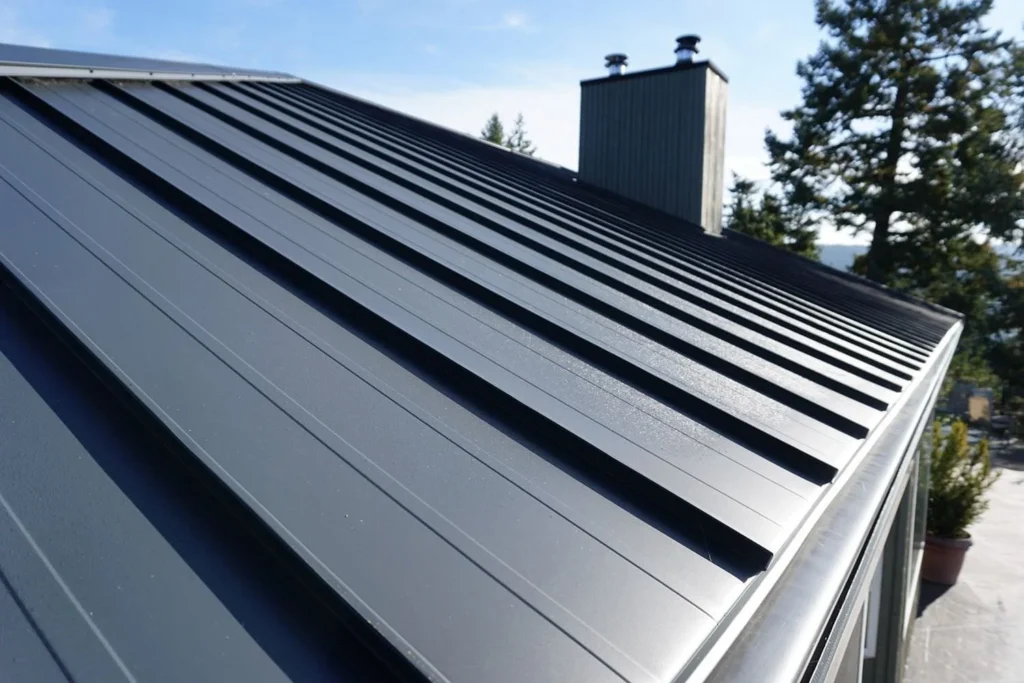
If you want a sleek, modern look with zero visible screws, standing seam is your go-to. These panels feature interlocking seams that stand above the level of the roofing surface. Because the fasteners are concealed, there is almost zero chance of water seeping through screw holes over time. I’ve seen these installed on high-end homes in California and Texas, and the curb appeal is simply unmatched.
1.2 Corrugated Steel: The Budget Warrior
Corrugated metal roofing is the wavy, classic profile we all know. It’s significantly more affordable than standing seam, but it uses an exposed fastener system. This means you’ll have thousands of screws with rubber washers holding the roof down. While it’s cost-effective, I always remind my clients that these washers need to be checked every 10 years to prevent minor leaks.
2. Top Brands And Materials For Metal Roof Panels
Just like you’d trust a Canon or Sony for high-end photography, or a Nikon for precision optics, you need to trust the “big names” in the metal industry to ensure your coating doesn’t peel in five years. Brands like Sheffield Metals and Western States Metal Roofing are the industry leaders for a reason—their PVDF (Kynar 500) coatings are the best in the business.
- Galvalume Steel: This is the most common residential choice. It’s steel coated with an alloy of aluminum and zinc. It’s tough, rust-resistant, and holds paint beautifully.
- Aluminum: If you live within 10 miles of the ocean, aluminum is non-negotiable. Unlike steel, it won’t rust when exposed to salt spray. It’s a bit softer, so it can dent more easily in a hailstorm, but for coastal protection, it’s king.
Copper: This is the “forever” roof. I’ve seen copper roofs in Europe that are over 100 years old. It develops a beautiful green patina over time, but be prepared to pay a premium—it’s the Ferrari of roofing materials.
|
Material Type |
Avg. Material Cost (Per Sq. Ft.) |
Expected Lifespan |
Best Environment |
|
Corrugated Steel |
$1.50 – $3.50 |
30–45 Years |
Rural / Budget Projects |
|
Standing Seam (Steel) |
$4.00 – $8.00 |
50–70 Years |
Modern Residential |
|
Aluminum Panels |
$3.50 – $6.50 |
50+ Years |
Coastal / High Humidity |
|
Copper Roofing |
$15.00 – $30.00 |
100+ Years |
Luxury / Historic |
3. The Real Cost Of Installing Metal Roof Panels In 2026
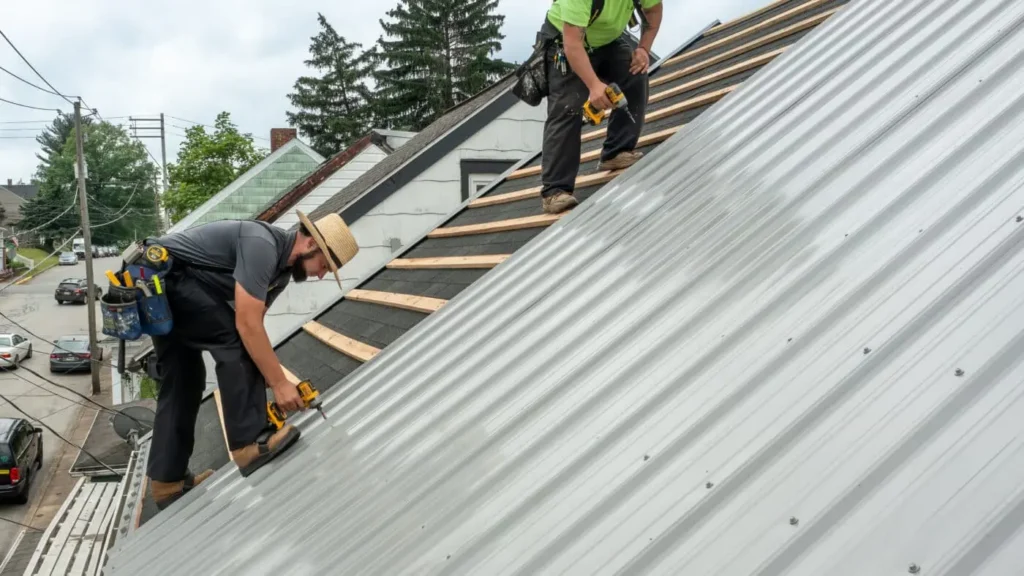
Let’s talk numbers because that’s usually where the “sticker shock” happens. On average, a complete installation for a 2,000-square-foot home in the USA ranges from $18,000 to $35,000. While that’s double the price of asphalt, you have to look at the ROI.
When I helped my brother install a standing seam roof on his house in Ohio, his home insurance premiums actually dropped by 15% because the roof was rated for high-impact resistance. Most metal roof panels carry a Class 4 impact rating, which is the highest possible. Furthermore, the energy efficiency of “cool metal” can reduce your summer cooling costs by up to 40%. You aren’t just buying a roof; you’re buying a giant heat shield for your house.
One of the best side effects of this durability is that it creates the perfect foundation for future-proofing your home; in fact, many owners are now pairing these installs with the Best Solar Solutions of 2026 to turn their roof into a high-performance power plant.
4. Why Precision Installation Matters For Metal Roof Panels
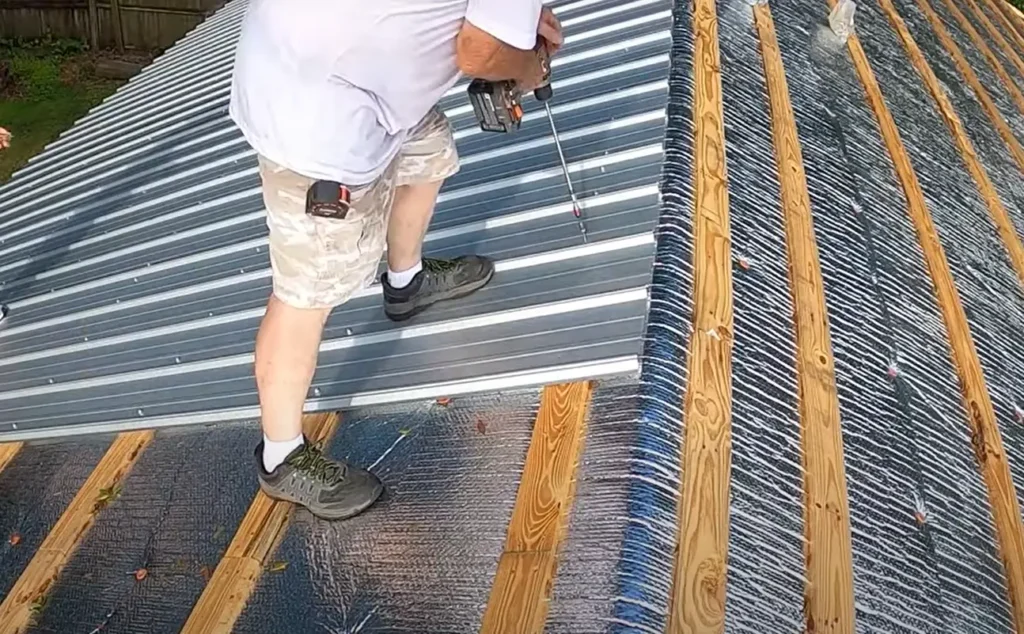
You can buy the most expensive metal roof panels in the world, but if the contractor doesn’t understand thermal expansion, you’re in trouble. Metal expands and contracts as it heats up during the day and cools at night. If the panels are pinned too tightly, they will “oil can”—which looks like ugly waves on the surface—or worse, they’ll pull the screws right out of the wood.
We always recommend using a high-quality synthetic underlayment like Sharkskin Ultra. It provides a secondary water barrier that lasts as long as the metal itself. Standard felt paper just won’t cut it when you’re building a 50-year roof system. Always ask your installer if they use hidden clips or if they are just “screwing and gluing.” The clips allow the metal to slide and breathe, which is vital for durability.
5. Maintenance Tips To Keep Your Metal Roof Panels Vibrating With Value
One of my favorite things about metal roof panels is how little I actually have to do once they are up. However, ‘low maintenance’ doesn’t mean ‘no maintenance.’ Every spring, I take a garden hose and wash off any debris or pollen that has collected in the valleys. This simple task prevents organic matter from sitting on the paint and slowly eating away at the finish.
If you have overhanging trees, make sure to trim them back to avoid surface scuffs. But if you really want to protect your investment for the next 20 years, I always recommend applying a Professional 100% Silicone Protective Shield. Instead of paying a contractor $5,000 for a reseal, I’ve found that using a high-grade silicone coating creates a seamless, leak-proof barrier that also reflects a massive amount of UV heat. It’s one of those pro-secrets that keeps your roof vibrating with value and saves you thousands in long-term cooling costs and potential repairs. It’s a serious investment, but for a $20,000 roof, it’s the smartest insurance policy you can buy.
7. Frequently Asked Questions About Metal Roof Panels
Q: Do metal roof panels attract lightning?
Contrary to popular belief, they do not. Lightning is attracted to the highest point, not the material. If your house is struck, the metal actually helps dissipate the charge safely into the ground, and since it’s non-combustible, it won’t catch fire.
Q: Is a metal roof noisy when it rains?
Not if it’s installed correctly. With solid sheathing and modern insulation, a metal roof is no noisier than any other material. I actually find the sound quite soothing.
Q: Will it rust if I live near the beach?
If you use Galvalume or Aluminum, you are well-protected. Standard untreated steel would rust, but modern residential metal roof panels are specifically designed to resist corrosion for decades.
Q: Can I walk on my metal roof?
Yes, but you have to be careful. You should always walk in the “flats” of the panels and avoid the ribs or seams. Also, wear soft-soled shoes to avoid scuffing the paint finish.
Selecting the right metal roof panels is a journey that ends with total peace of mind. Whether you choose the rugged look of corrugated metal or the modern lines of standing seam, you are making a choice that secures your home against the elements for the next half-century. Don’t settle for “good enough” when it comes to the shield over your head. If you’re ready to see how these materials look on a real home, check out the latest installation gallery on our blog to see the transformations for yourself!