How to Compost at Home: The 2026 Ultimate Guide to Zero-Waste Gardening

The 2026 Homeowner's Guide: How to Compost at Home Without the Smell
In a world where we are increasingly conscious of our environmental footprint, learning how to compost at home is one of the most rewarding DIY projects you can undertake. It is more than just getting rid of kitchen scraps; it is about creating a living, breathing ecosystem that feeds your garden. When done correctly, composting is an odorless, efficient, and deeply satisfying process.
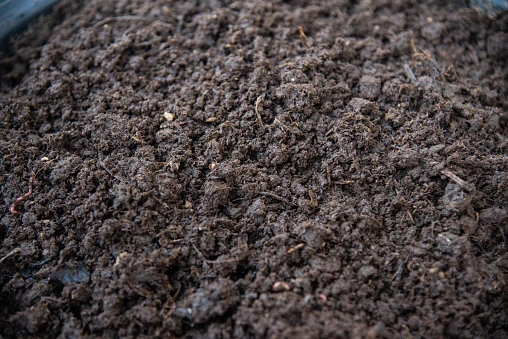
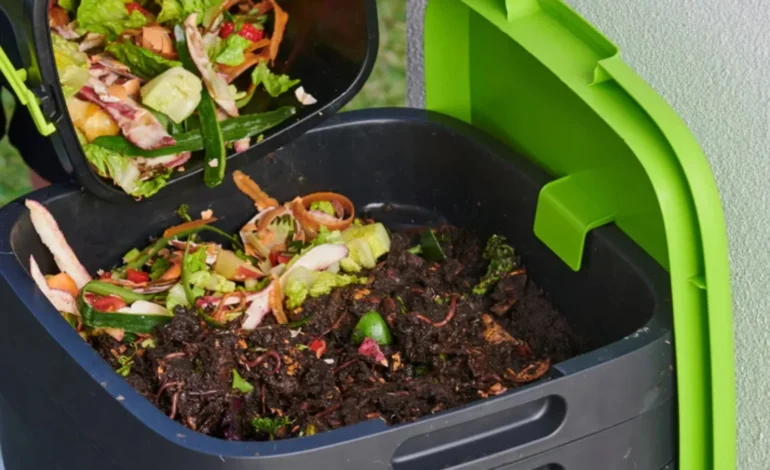
Finished compost: The nutrient-dense "Black Gold" for your garden.
Whether you have a massive backyard or a small patio, the principles of decomposition remain the same. This guide breaks down the science and the steps to ensure your composting journey is a success from day one.
The Core Elements: Carbon and Nitrogen
To master how to compost at home, you must understand the balance between "Browns" and "Greens." Browns provide carbon for energy, while Greens provide nitrogen for protein synthesis in the bacteria that break everything down.
Common Browns (Carbon)
Dry leaves, straw, shredded non-glossy cardboard, and wood chips. If your pile feels too wet or smells like rotten eggs, adding more Browns is the immediate fix.
Common Greens (Nitrogen)
Fruit and vegetable peels, coffee grounds, and fresh grass clippings. These are the "fuel" that heats up the pile.
Choosing the Right Setup
Your choice of bin determines your maintenance level. A Dual-Chamber Tumbler is the gold standard for beginners because it makes aeration as simple as spinning a handle once or twice a week.
For those with limited space, a countertop bin with a charcoal filter allows you to collect scraps indoors without odors. Efficient home management is much like using a Lefant robot vacuum—it's about small, automated habits that lead to big results.
Maintenance: Air, Water, and Heat
Oxygen is the lifeblood of compost. Without it, the process turns anaerobic, causing bad smells. Regularly turning your pile—with a pitchfork or a tumbler—keeps the microbes active. If you use a smart irrigation controller for your lawn, you already know the importance of moisture balance; your compost should feel like a damp, wrung-out sponge.
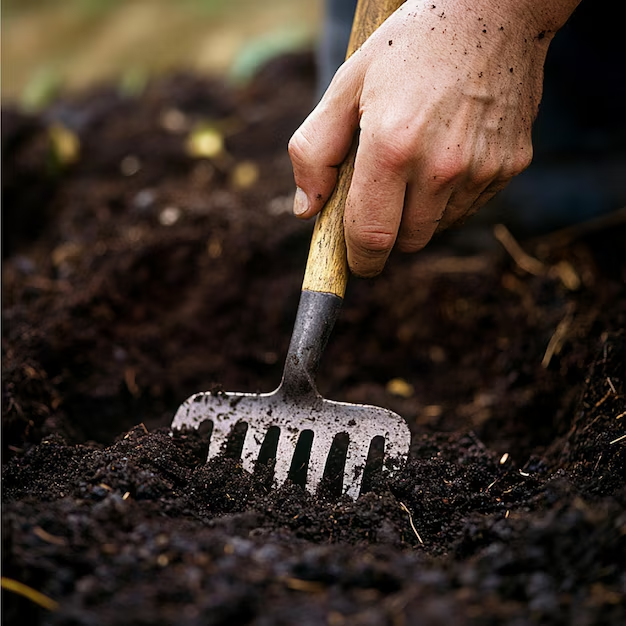
Turning the pile introduces vital oxygen to speed up decomposition.
Frequently Asked Questions
Yes. Eggshells provide excellent calcium. Just be sure to crush them first so they break down faster.
This usually means you have too many "Greens." Balance the nitrogen by adding more dry leaves or shredded paper.
Sustainability at Home
Composting pairs perfectly with modern home upgrades like PV panel kits or smart electrical panels. It’s all about creating a high-utility home for 2026.