Best Beverage Cooler for Home Bar (2026): Top Rated & Energy Efficient Picks

Best Beverage Cooler for Home Bar
There is nothing quite like the disappointment of reaching for a drink at the end of a long day, only to find it’s "room temperature" (which usually means lukewarm and sad). While your main kitchen refrigerator is great for milk and eggs, it’s often a chaotic mess of leftovers that leaves zero room for your favorite craft beers, sparkling waters, or vintage wines. This is where a dedicated beverage cooler changes the game.
In 2026, the humble drink fridge has evolved into a high-tech centerpiece for the modern home. From sleek undercounter units that blend into your cabinetry to smart-connected coolers that alert your phone if the door is left ajar, choosing the right model requires more than just looking at the price tag. In this guide, we’re going to deep-dive into everything you need to know about picking the perfect beverage cooler for your lifestyle.
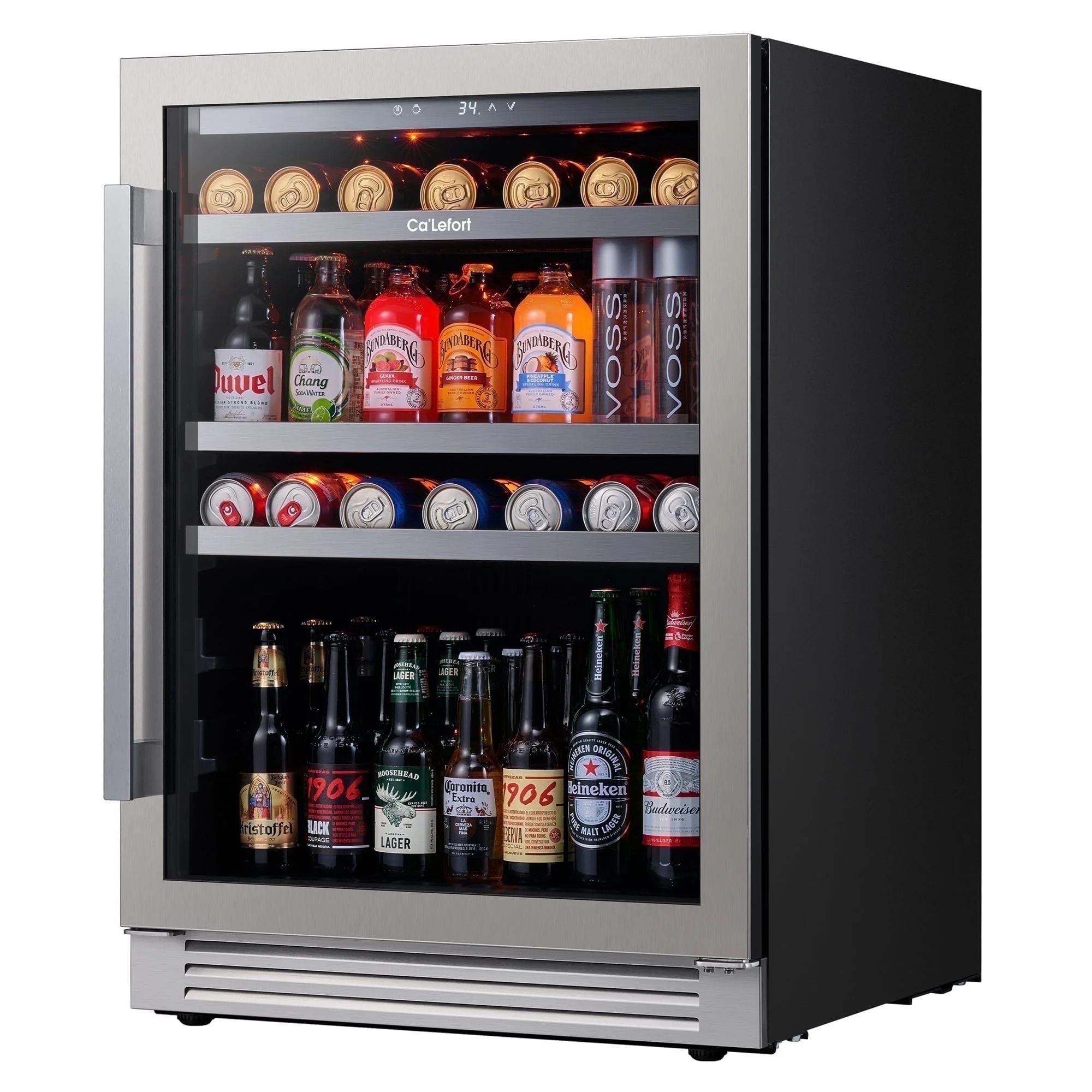
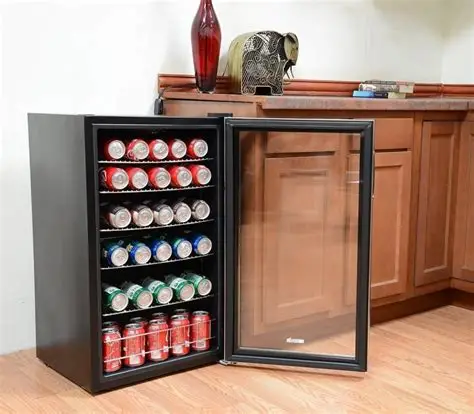
A modern glass-door beverage cooler adds both utility and style to a kitchen or home bar.
Why You Need a Dedicated Beverage Cooler
You might be asking, "Can't I just use my regular fridge?" You can, but you shouldn't. Standard refrigerators are designed to hover around 37°F to 40°F to keep food safe. However, many beverages—especially wines and certain ales—thrive at slightly higher temperatures. Conversely, a beverage cooler can often get colder than a standard fridge, giving you that crisp, ice-cold "soda-fountain" feel for your cans.
Furthermore, a dedicated cooler frees up massive amounts of shelf space in your primary unit. If you've ever had to remove the vegetable crisper just to fit a 24-pack of water for a party, you know exactly why an auxiliary drink center is a smart investment.
The Tech Inside: Compressor vs. Thermoelectric
Not all cooling systems are created equal. When shopping for a beverage cooler, you’ll run into two main technologies. Understanding the difference is the key to long-term satisfaction.
1. Compressor Cooling
Think of this as a mini-version of your main fridge. It uses a compressor and refrigerant.
- Pros: Reaches much lower temperatures (often down to 32°F), handles external heat well (great for garages), and has a faster recovery time after the door is opened.
- Cons: Can be slightly louder and produces minor vibrations (not ideal for aging sensitive wines).
2. Thermoelectric Cooling
This uses the Peltier effect to create a temperature difference.
- Pros: Extremely quiet, vibration-free, and energy-efficient.
- Cons: Can only cool about 20 degrees below the ambient room temperature. If your house is 80°F, your drinks won't get colder than 60°F.
Under-Counter vs. Freestanding: Installation Matters
This is the most common mistake buyers make. You see a beautiful beverage cooler online, buy it, and slide it into a tight cabinet gap, only for it to die within six months. Why? **Ventilation.**
Freestanding models usually vent from the back or sides. If you "build them in," the heat has nowhere to go, and the motor burns out. **Undercounter (Built-in) models** have front-facing vents, allowing them to sit flush against cabinets. Always verify the venting location before clicking "Buy Now."
Key Features to Look for in 2026
Digital Temperature Control
Gone are the days of the "Low-Medium-High" dial. Look for a unit with a precise digital thermostat. This is especially vital for wine lovers who need a steady 55°F. Modern units often feature dual-zone cooling, allowing you to keep sodas at 34°F on one side and Pinot Noir at 55°F on the other.
UV-Protected Glass
Light is the enemy of beverage quality. Standard glass allows UV rays to penetrate, which can skunk beer and "light-strike" wine. High-end beverage coolers use double or triple-paned glass with UV-resistant coatings to keep your collection safe while still looking beautiful.
Adjustable Shelving
The "can vs. bottle" struggle is real. Ensure your cooler has removable or adjustable shelves. Some modern units even include specialized racks for standing up open bottles of wine or oversized 2-liter bottles.
Energy Efficiency and Smart Home Integration
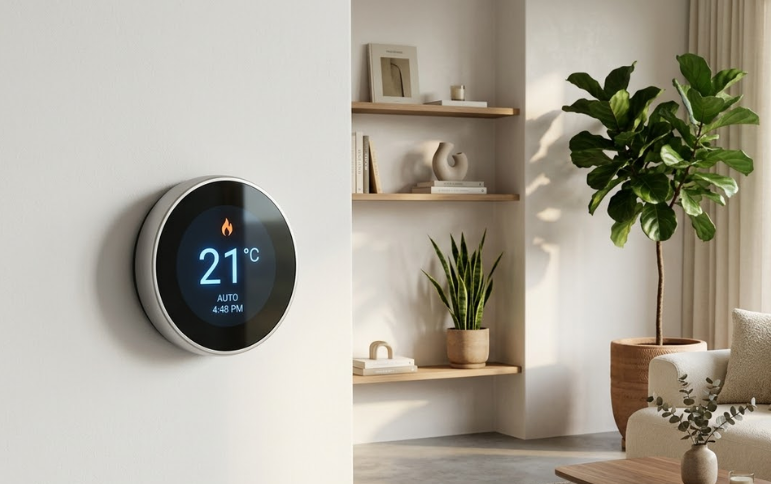
A beverage cooler runs 24/7, which can add up on your utility bill. Look for the **Energy Star** rating. In 2026, many homeowners are pairing their appliances with Smart Thermostats and energy-monitoring systems to track their carbon footprint. A smart-connected cooler can even go into an "eco-mode" during the night when nobody is opening the door.
Common Beverage Cooler Troubleshooting
Is your cooler making a weird noise? Is there condensation on the glass? Most of these issues have simple fixes:
- Condensation on the outside: This usually happens in high-humidity areas. Ensure the door seal (gasket) is tight. If you can slide a dollar bill through the closed door, you need a new seal.
- The "Clicking" Sound: This is often the compressor cycling. However, if it happens every few minutes without the fridge getting cold, your start relay might be failing.
- Ice Build-up: If you see frost, your temp might be set too low, or the door isn't closing properly. Much like a Shark robot vacuum not charging due to dirty contacts, your cooler won't work if the sensors are iced over.
Beverage Cooler vs. Wine Fridge: What's the Difference?
While they look similar, a wine fridge is a specialized type of beverage cooler. Wine fridges usually have a higher minimum temperature (you don't want to freeze your Chardonnay) and often include wooden racks to cradle bottles gently. A standard beverage cooler is built for volume—maximizing the number of 12oz cans you can fit into a square foot.
For the ultimate setup, many homeowners now install "French Door" units: one side for wine, one side for cans. It’s the perfect marriage of form and function.
How to Style Your Beverage Center
Your beverage cooler shouldn't just be an appliance; it should be an experience.
- The Coffee & Drink Nook: Place your cooler under a counter with your espresso machine on top.
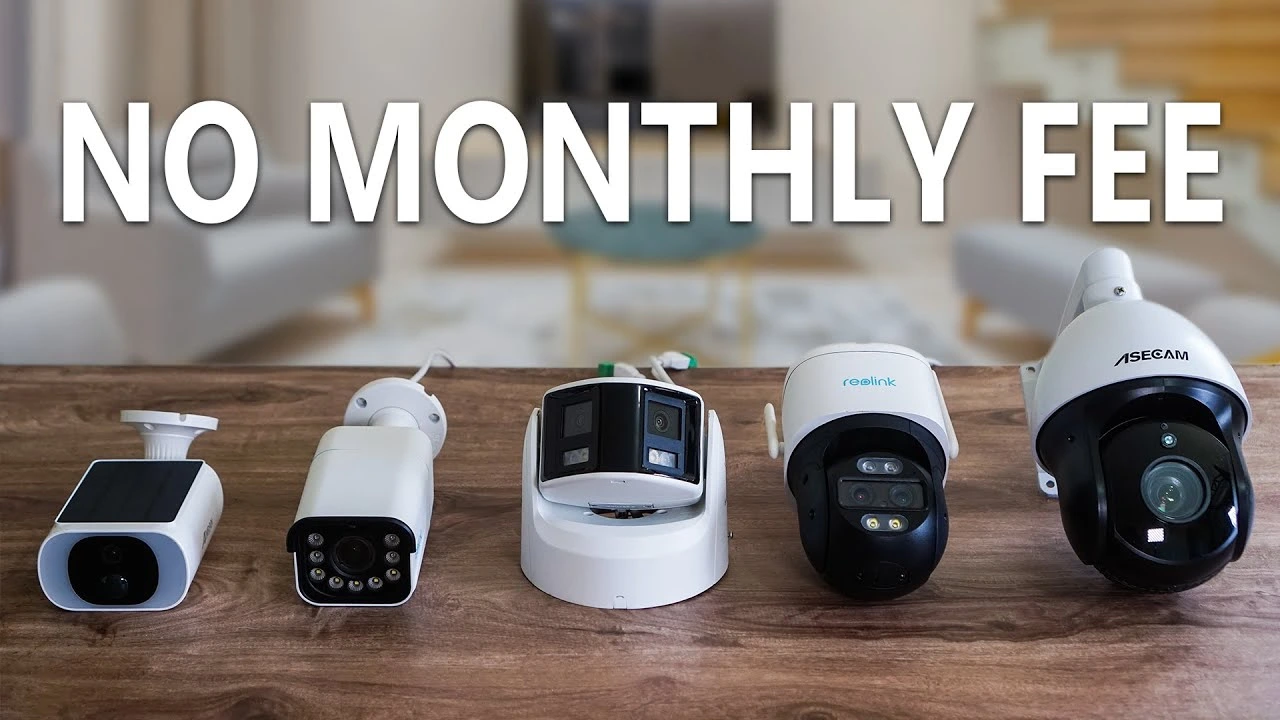
- The Outdoor Kitchen: Ensure you buy a model specifically rated for outdoor use. These have extra insulation and more powerful compressors to fight the summer heat. If you're building an outdoor bar, don't forget to protect the area with one of the best outdoor security cameras for peace of mind.
- The Movie Room: A small, silent thermoelectric cooler is perfect for keeping sodas nearby during a marathon session.
Final Thoughts: Is It Worth It?
If you enjoy entertaining, or if you simply value having a perfectly chilled drink without digging through a crowded fridge, a beverage cooler is one of the best home upgrades you can make. It adds value to your home, keeps your main fridge organized, and ensures that you are always ready for a "Cheers" moment.
Just as you might spend time learning how to compost at home to improve your garden, investing in a quality cooler improves your daily quality of life inside the home.