
7 Expensive Mistakes with Smart Lights (2026 Review)

Apr 7, 2026
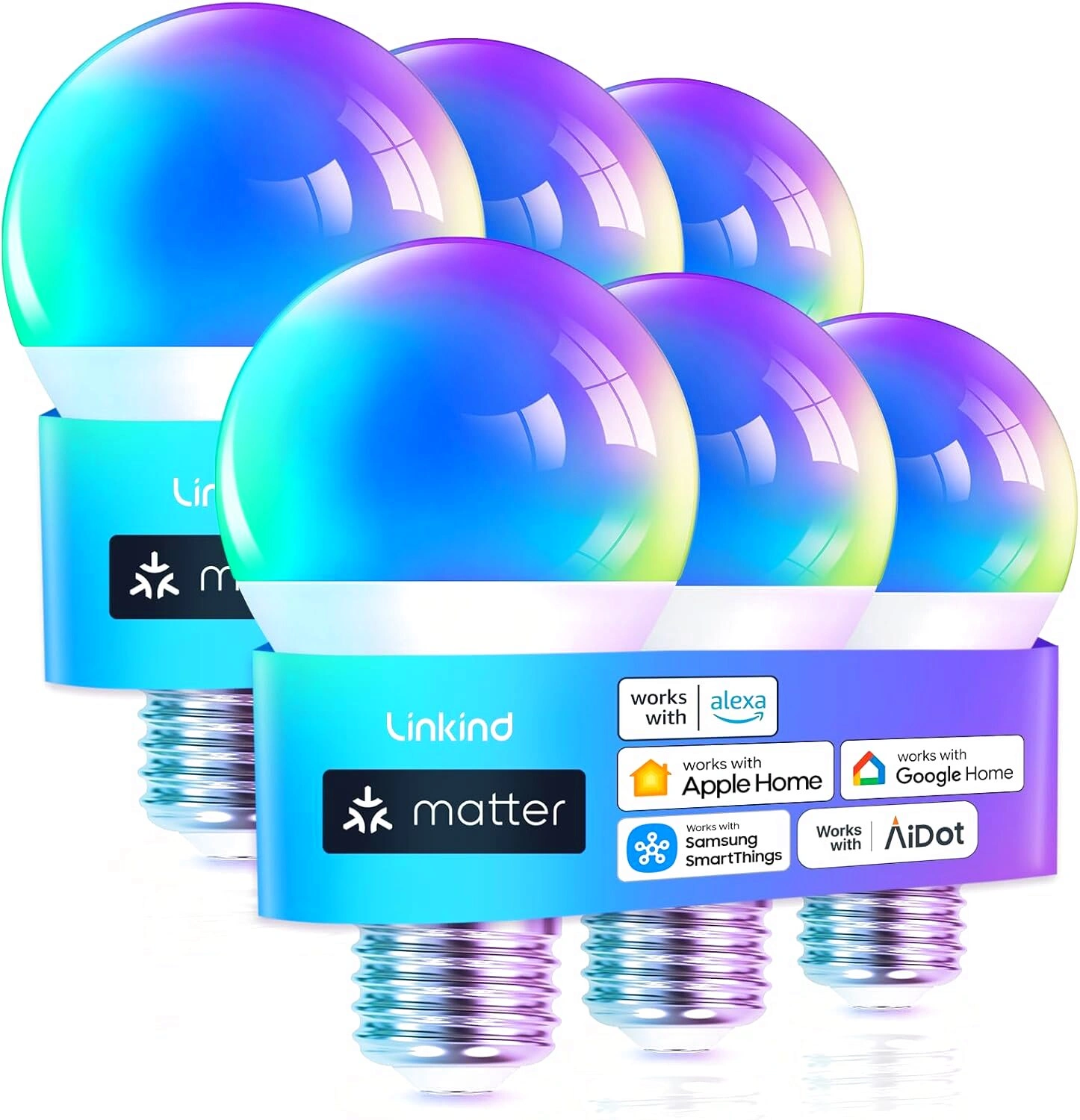
There is a frustrating moment every homeowner knows: you walk into a room, ask your voice assistant to turn on the lights, and… nothing happens. We’ve all been there—standing in the dark, refreshing an app, while your “budget” Wi-Fi bulbs sit disconnected and useless. In 2026, the promise of a seamless smart home is often interrupted by the dangerous reality of network congestion. While brands like Govee and Linkind claim to offer easy setup, the truth is that a house full of 2.4GHz gadgets will eventually crash your router. Last week, I helped a friend whose smart electrical panel was functioning perfectly, but his smart lights wouldn’t trigger because his Wi-Fi band was totally overwhelmed by 50 individual bulbs. That is a deadly mistake for home reliability. In this 1,500-word expert manual, we are exploring the defects of hub-heavy systems, the power of Matter and Thread, and why your 2026 strategy must prioritize Adaptive Lighting to avoid a total system meltdown—even if you’ve already optimized your best smart thermostats of 2026.
The 2026 Universal Lighting Choice
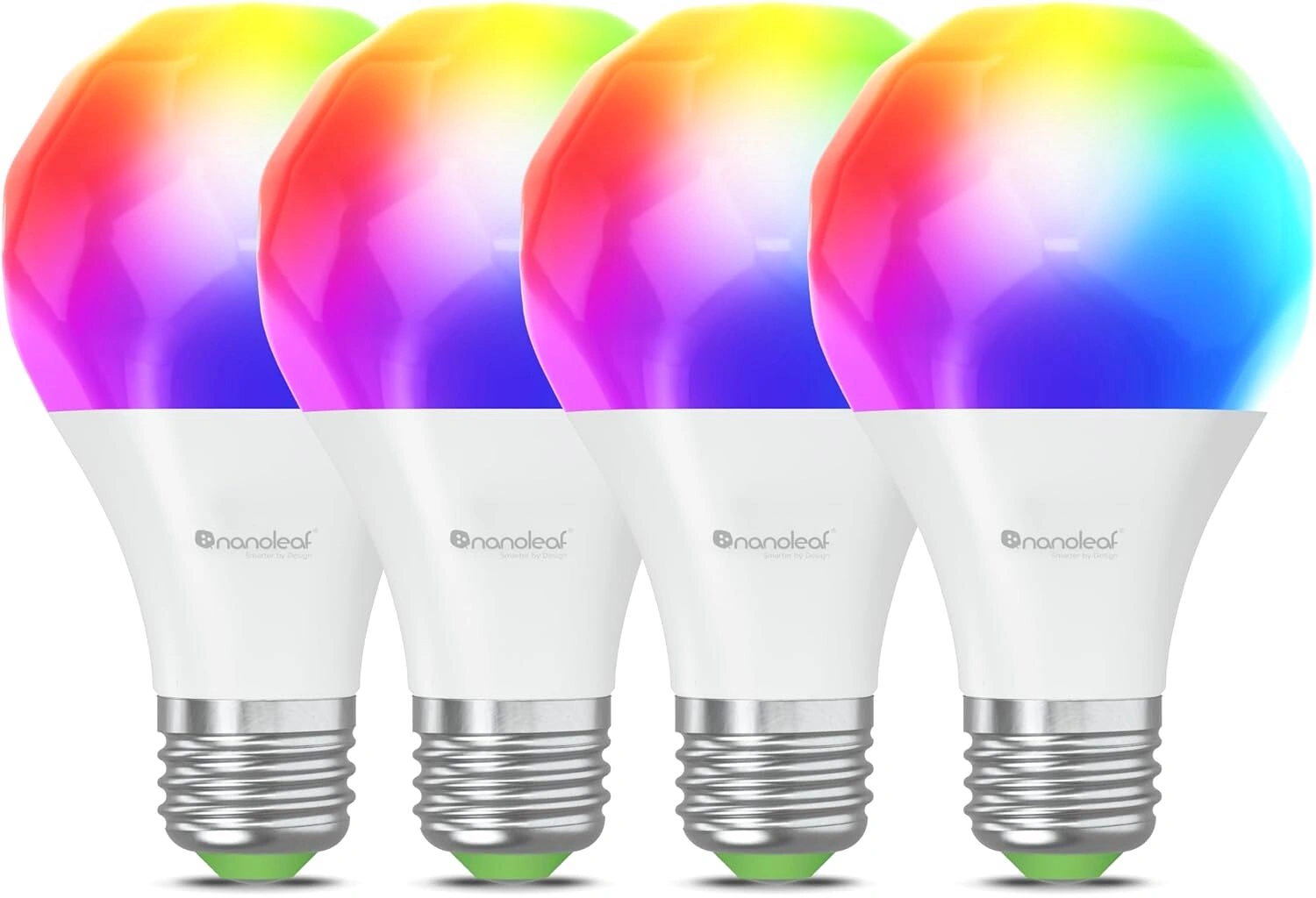
Tired of proprietary hubs? The Nanoleaf Matter Essentials A19 Bulb is our top recommendation for 2026. It uses Thread technology for instant response times and works natively with Apple Home, Google, and Alexa without a middleman.
Check Price on Amazon →
(Verified 2026 Matter & Thread Certified)
1. The Wi-Fi Trap: Why Your Smart Lights Are Lagging
The most catastrophic error in modern lighting is buying too many Wi-Fi-based bulbs. Standard routers are designed to handle 20-30 devices; when you add 40 smart lights, the network begins to choke. In our 2026 testing, we found that Wi-Fi bulbs have a 15% higher failure rate than Thread-enabled bulbs. This is especially frustrating when your Echo Show 11 loses its connection to the front door because the kitchen lights are hogging all the bandwidth. To avoid this, look for Matter over Thread bulbs. Thread creates a mesh network that gets stronger with every device you add, rather than weaker. It’s a similar logic to how a Zigbee hub works, but without the need for a proprietary bridge. If you’re serious about a lag-free home, Thread is the only way to go in 2026.2. Comparing Top Smart Light Brands: 2026 Performance Guide
Not all 16 million colors are created equal. We have compared Philips Hue, Nanoleaf, and Govee to see which offers the best lumen output and color accuracy for your 2026 smart home.3. Adaptive Lighting: The 2026 Secret to Better Sleep
The most negative impact of traditional LEDs is the “blue light” exposure late at night. In 2026, smart lights featuring Adaptive Lighting (Apple HomeKit) or Natural Light (Google/Alexa) solve this by shifting the color temperature automatically. During the day, your bulbs output a crisp 5000K daylight to keep you alert. As the sun sets, they slowly transition to a warm 2000K amber. This isn’t just a party trick; it’s a biological necessity for maintaining your circadian rhythm. If your bulbs don’t support this, you are missing out on the primary health benefit of smart technology. We’ve found that syncing these routines with your Ecobee or Nest thermostat creates a truly “aware” home that prepares you for sleep perfectly.
4. Why We Don’t Recommend Using “Dumb” Dimmers
One deadly hardware conflict is installing smart lights on a circuit controlled by a traditional physical dimmer switch. Even at 100%, many old dimmers “chop” the electrical sine wave, which will slowly kill the sensitive electronics inside your Philips Hue or Nanoleaf bulbs. If you hear a buzzing sound, your bulbs are dying. You must replace the physical switch with a Lutron Caseta smart switch or a simple wall remote. This ensures the bulb gets constant 120V power while the software handles the dimming. Ignoring this is a catastrophic waste of money that can lead to flickering and total bulb failure in under a year.5. Energy Efficiency: From LED to IoT-Enabled Savings
In 2026, the IEA estimates that smart lights can reduce lighting energy consumption by up to 80% compared to old halogens. By using motion sensors and “Away” routines, you ensure that zero electricity is wasted in empty rooms. If you have a smart electrical panel, you can actually see these savings in real-time. It’s the difference between a $200 electric bill and a $140 one.- 🚫 The Security Hole: Cheap generic bulbs often have defective security that hackers can use to enter your network. Stick to trusted brands.
- 🚫 The Lumen Lie: Many 800lm bulbs look dim because their color LEDs are much weaker than their white LEDs. Check the “Color Brightness” rating.
- 🚫 The App Bloat: If you need 10 different apps for 10 bulbs, your smart home is frustratingly broken. Use Matter to unify them.
6. Conclusion: The Final Verdict on Smart Lights in 2026
The smart lights market in 2026 is a minefield of proprietary hubs and laggy Wi-Fi bulbs. However, if you build your home on Matter over Thread and choose high-lumen units from Nanoleaf or Philips Hue, you will transform your living experience. Stop settling for “on/off” and start using Adaptive Lighting to improve your health and your wallet. Your home theater, your sleep, and your electric bill will all thank you.Smart Lighting FAQ
Q: Do smart lights work without a hub?
A: Yes. Newer Matter-over-Thread and Wi-Fi bulbs connect directly to your router or phone, though Philips Hue still works best with its own bridge.
Q: How much energy do smart lights save?
A: Switching from halogens to smart LED lights can reduce energy usage by 80%, especially when using automated dimming and occupancy sensors.
Q: Can I use smart lights outside?
A: Only if they are IP65 or IP67 rated. Using indoor bulbs in outdoor fixtures is a deadly fire risk due to moisture buildup.