The Best Canister Vacuum Cleaner (2026): Why the “Old School” Design Still Wins

The Best Canister Vacuum Cleaner (2026)
In an era where cordless sticks and robot vacuums get all the marketing glory, the serious cleaning enthusiasts know a secret: if you want raw power and longevity, you buy a canister. The best canister vacuum cleaner isn't just a cleaning tool; it's a long-term investment in your home’s air quality and floor health. While uprights are great for large swaths of carpet, they are often bulky, heavy, and struggle with the finesse required for stairs and tight corners.
In 2026, canister vacuums have undergone a quiet revolution. They are lighter, quieter, and more "intelligent" than ever before. If you've been frustrated by a cordless vacuum dying halfway through the living room or a robot getting stuck on a rug, it’s time to look back at the canister. This guide breaks down the top picks for every floor type and why this design remains the heavyweight champion of deep cleaning.
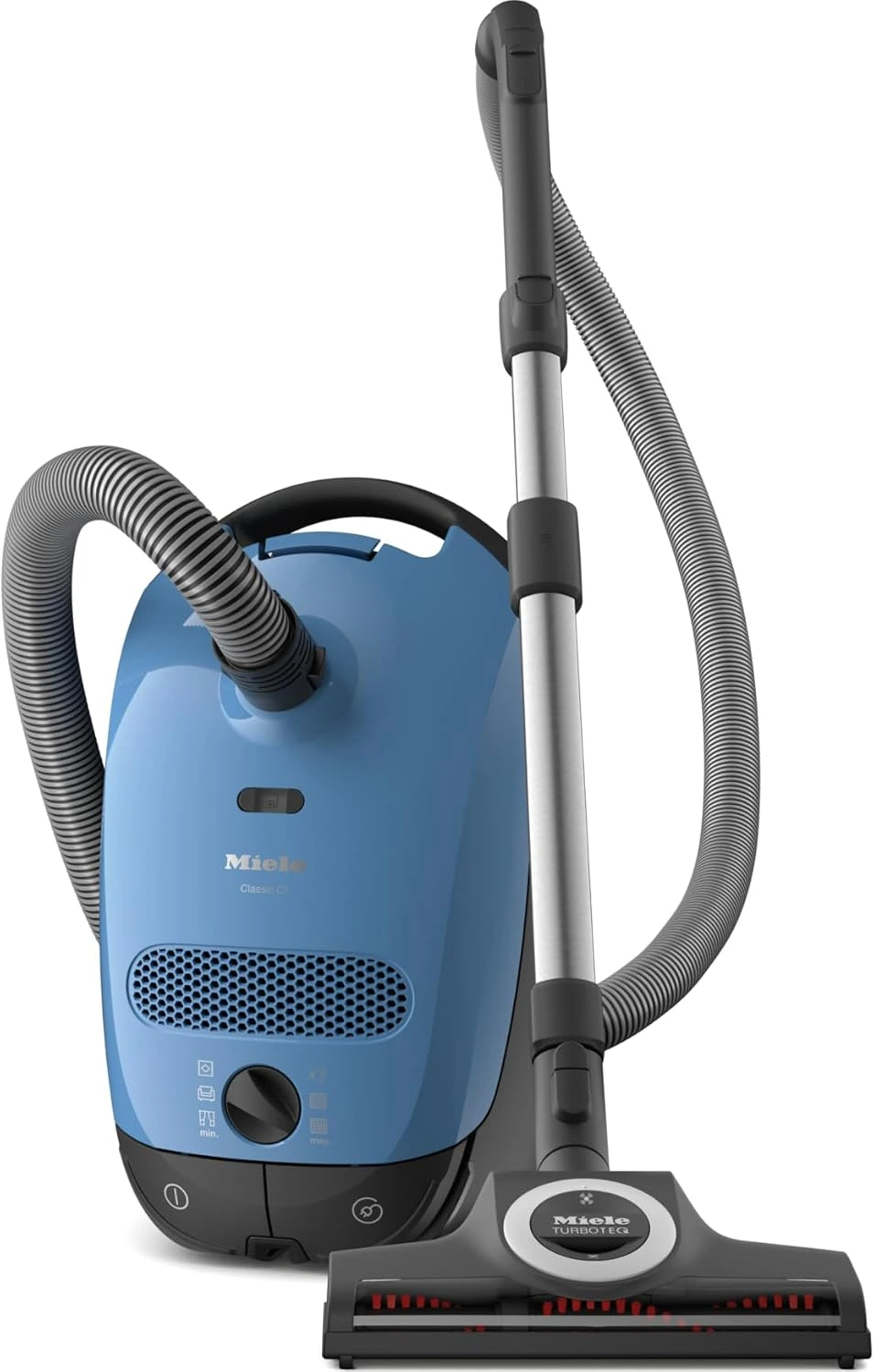
The modern canister vacuum: Sleek, maneuverable, and incredibly powerful.
Why Choose a Canister Vacuum Over an Upright?
The primary advantage of the best canister vacuum cleaner is the separation of the motor from the cleaning head. This allows the wand to be incredibly light and maneuverable. You aren't pushing the entire weight of the motor and dirt bin; you're just moving a light plastic or metal tube.
1. Hardwood Floor Mastery
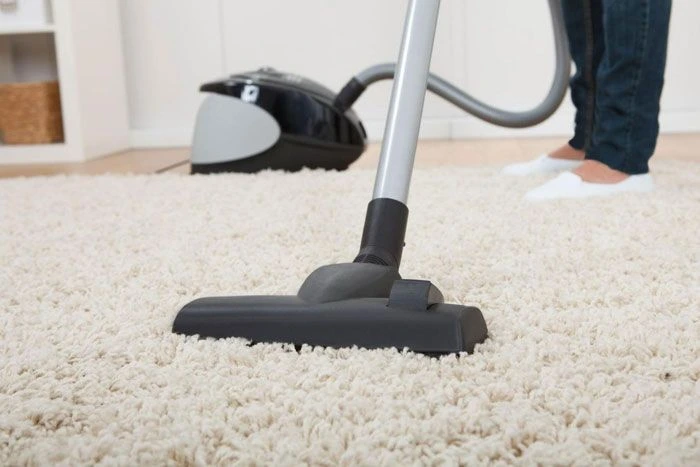
If your home is dominated by wood or tile, a canister is non-negotiable. Uprights often have spinning "beater bars" that can actually scratch delicate finishes or scatter debris across the floor. Canisters typically come with dedicated "Parquet" brushes that use soft natural bristles to sweep and suck simultaneously. For those with premium flooring, choosing a canister is as essential as picking the best vacuum for wood floors to prevent long-term damage.
2. Versatility for Above-Floor Cleaning
Drapes, upholstery, and ceiling fans are much easier to reach with a canister’s long, flexible hose. You can leave the "tank" on the floor and reach up to the highest crown molding without breaking a sweat. It's the same logic behind using specialized tools for niche jobs—like how you would keep a borescope camera from scraping pipes when doing high-detail inspections.
Top Features to Look for in 2026
When shopping for the best canister vacuum cleaner this year, don't just look at the "amps" or "watts." Those are marketing numbers that reflect power consumption, not actual cleaning performance (suction).
HEPA Filtration is Mandatory
If you suffer from allergies or have pets, you need a sealed HEPA system. This ensures that 99.97% of particles as small as 0.3 microns are trapped inside the machine. Without a sealed system, the vacuum just sucks up dust and spits the microscopic allergens back out into the air. This is especially critical if you are also dealing with other indoor pollutants; for instance, many people ask do air purifiers help with mold?—well, a HEPA canister vacuum is your first line of defense in removing those spores from your carpets.
Bagged vs. Bagless: The Great Debate
In 2026, bagged canisters like the Miele C3 or Sebo Airbelt still dominate the high-end market. Why? Hygiene. When you remove a bag, it self-seals, meaning you never touch the dust. Bagless models are convenient and save money on supplies, but they are messier to empty. If you have an infant at home and are already managing a Momcozy bottle washer, you probably value anything that reduces manual cleanup and keeps the environment sterile.
Cleaning for Specific Needs: Pets, Pests, and Problems
Not everyone is just vacuuming up cereal and dust. Sometimes, life gets messy. If you're dealing with an infestation, for example, you'll want the best canister vacuum cleaner paired with our tips for the best vacuum for fleas to ensure you're lifting larvae out of the carpet fibers.
The Pet Hair Problem
Pet hair doesn't just sit on the surface; it "weaves" itself into carpet. To combat this, look for a canister with an electric powerhead. Unlike "air-driven" heads that stop spinning when they hit a thick rug, electric heads have their own motor to keep the brush rolling through the thickest pile. This is the difference between "looking clean" and "being clean."
Maintenance: Keeping Your Canister Running for 20 Years
Unlike a cheap stick vac that you'll throw away in three years, a high-quality canister can last decades. Here’s how to maintain yours:
- Check the Filters: If your suction feels weak, it’s usually a clogged pre-motor filter. Wash or replace these every 6 months.
- Clear the Brush Roll: Long hair and threads wrap around the agitator. Cut these off regularly to prevent the motor from overworking. It’s similar to maintaining your lawn tools; for example, if you have a Mammotion LUBA 2, you know that keeping the blades clear is the key to a perfect cut.
- Replace the Bag Early: Don't wait until the bag is "rock hard." Air needs to flow *through* the bag to provide suction. Replace it when it’s about 75% full.
The Smart Home Connection
Even though canister vacuums are traditional, they are joining the smart revolution. Some 2026 models feature LED displays that tell you exactly when the filter is dirty or even use sensors to adjust suction based on the floor type. Integrating these into a high-tech lifestyle—much like setting up Smart Thermostats—is all about automating the boring parts of homeownership so you can enjoy your space.
Final Thoughts: Is a Canister Right for You?
If you have a multi-story home, lots of hardwood floors, or sensitive allergies, the best canister vacuum cleaner is undoubtedly the right choice. It offers the best combination of filtration, power, and versatility. While the initial cost of a Miele or Sebo might be higher than a generic upright, the cost-per-year is significantly lower when you consider they are built to be repaired, not replaced.
Whether you're chilling in front of your short throw projector 4K or busy with DIY home upgrades, having a clean floor is the foundation of a comfortable home. Don't compromise on your vacuum—go canister.