Do Air Purifiers Help With Mold ? What Every US Homeowner Needs to Know in 2026

Do Air Purifiers Help With Mold? The Ultimate 2026 Homeowner’s Guide
The Short Answer
Yes, air purifiers help with mold, but they are not a “cure.” A high-quality air purifier equipped with a True HEPA filter is highly effective at capturing airborne mold spores before they land on surfaces to grow. However, an air purifier cannot remove mold that is already growing on your walls, carpets, or drywall. To fully solve a mold problem, you must fix the moisture source (leaks/humidity) and manually clean existing growth.
For homeowners in the USA, mold isn’t just a cosmetic issue—it’s a structural and health threat. Whether you are dealing with a damp basement in the Northeast or high humidity in the South, understanding how to use technology to fight mold is essential. In this comprehensive guide, we break down the science of mold filtration, the specific types of technology you need, and the top-rated units for 2026.
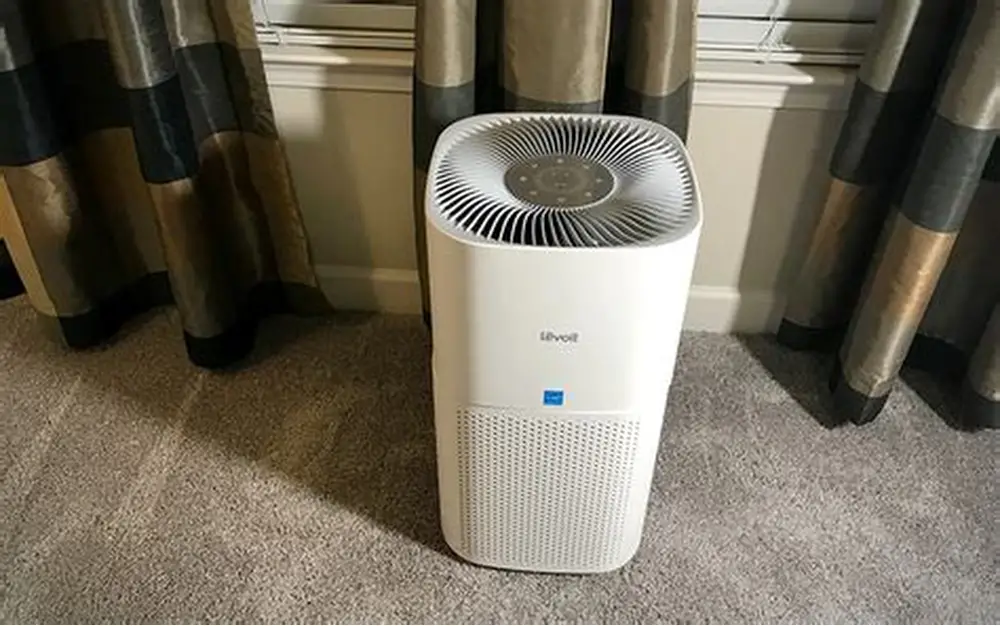
Using a True HEPA purifier can prevent airborne mold spores from colonizing your home.
1. The Science: How Air Purifiers Help With Mold Spores
Mold reproduces through microscopic seeds called spores. These spores typically range in size from 1 to 40 microns. For perspective, a human hair is about 70 microns wide. Because these spores are so light, they stay airborne for hours, just waiting for a damp surface to call home.
Why True HEPA is Non-Negotiable
If you are buying a purifier for mold, the term “HEPA-type” or “HEPA-like” is not enough. You specifically need True HEPA. A True HEPA filter is laboratory-certified to capture 99.97% of particles as small as 0.3 microns. Since mold spores are significantly larger than 0.3 microns, a True HEPA filter acts as an impenetrable wall for them.
2. Beyond HEPA: Advanced Tech for Mold Toxins
While HEPA captures spores, some advanced 2026 air purifiers go a step further by destroying the biological components of mold. If you have severe allergies or a compromised immune system, consider these technologies:
- PECO (Photoelectrochemical Oxidation): Found in Molekule units, this tech uses light-activated nanoparticles to break down mold at a molecular level, effectively destroying the DNA of the spore.
- Activated Carbon: Mold often produces MVOCs (Microbial Volatile Organic Compounds)—that classic “musty basement” smell. HEPA filters cannot stop smells. You need a thick layer of Activated Carbon to absorb these odors.
- UV-C Light: Some units shine UV light onto the filter to kill pathogens. While helpful, the air often moves too fast for UV to be 100% effective on its own. It should be used as a secondary layer, never a primary one.
3. Best Air Purifiers for Mold in 2026
Based on Clean Air Delivery Rate (CADR) and filter density, these are our top recommendations for Tech Home USA readers.
| Model | Technology | Best For | Room Size |
|---|---|---|---|
| IQAir HealthPro Plus | HyperHEPA | Medical Grade / Extreme Allergies | 1,125 sq. ft. |
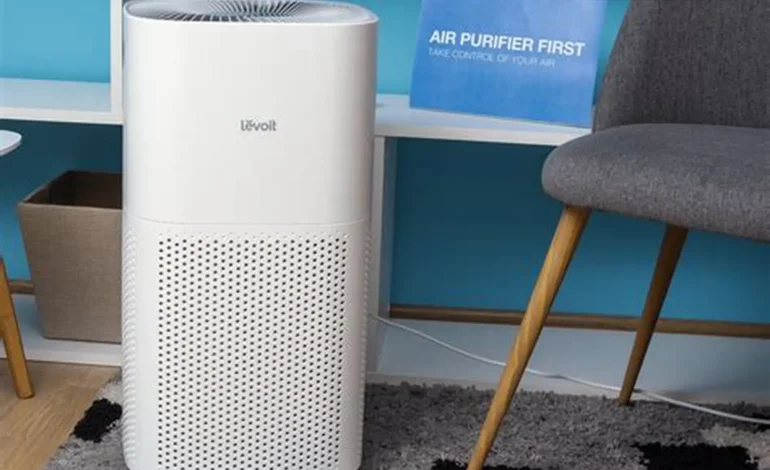
| Levoit Core 600S | True HEPA + Carbon | Large Living Rooms / Value | 1,588 sq. ft. |
| Molekule Air Pro | PECO Technology | Destroying Spore DNA | 1,000 sq. ft. |
4. Crucial: What an Air Purifier CANNOT Do
It is a common mistake to think that turning on an air purifier will “clean” a moldy room. If you see black spots on your drywall or smell a strong rot odor, you must follow these steps in addition to using a purifier:
- Source Control: If you have a leaky pipe or window, no amount of air filtration will help. Fix the water entry first.
- Dehumidification: Mold thrives in humidity above 60%. Use a dehumidifier (perhaps powered by your Jackery 1000 v2 during off-grid situations) to keep levels between 30% and 50%.
- Physical Removal: Scrub non-porous surfaces with a mixture of water and detergent or specialized anti-mold spray. For porous materials like drywall or insulation, the material must be removed and replaced.
5. Maintenance for Mold-Heavy Environments
If you are running your purifier in a damp area, your maintenance schedule needs to be stricter than usual. In a standard home, filters last 6-12 months. In a “mold-risk” home, you should:
- Check Filters Monthly: Look for any visible gray or black buildup on the pre-filter.
- Vacuum the Pre-filter: Most modern units have a washable or vacuumable outer layer. Keeping this clean ensures maximum airflow.
- Monitor Sensor Accuracy: Mold spores are heavy and can sometimes gunk up the laser particle sensors on smart units. Wipe the sensor lens with a dry cotton swab every 3 months.
6. Frequently Asked Questions (FAQ)
Q: Can an air purifier make mold worse?
A: Only if you don’t change the filters. If a filter becomes damp and is left in a turned-off machine, it could theoretically grow mold. Always keep the machine running to ensure the filter stays dry.
Q: Will it help with the “musty” smell?
A: Only if the unit has a high-quality Activated Carbon filter. HEPA alone will not remove odors.
Q: Where is the best place to put the purifier for mold?
A: Place it in the room with the highest moisture or where you suspect mold growth. Ensure it is at least 3 feet away from walls or furniture to allow 360-degree intake.
Final Verdict: Is it Worth It?
For a US homeowner, an air purifier is the best preventative insurance policy against mold. By removing the spores from the air, you prevent a small moisture event from turning into a full-scale mold infestation. It is a vital component of any modern “Tech Home” strategy.