Saltless Water Softener Guide 2026: The Truth About Scale Prevention Without the Salt

Saltless Water Softener Guide 2026: Stop Scale Without the Messy Salt Bags
If you are tired of lugging 40-pound bags of salt down your basement stairs every month, you aren't alone. Many homeowners in 2026 are switching to a saltless water softener—technically known as a water conditioner—to protect their plumbing without the chemical maintenance. But does it actually work like a traditional softener, or is it just clever marketing?
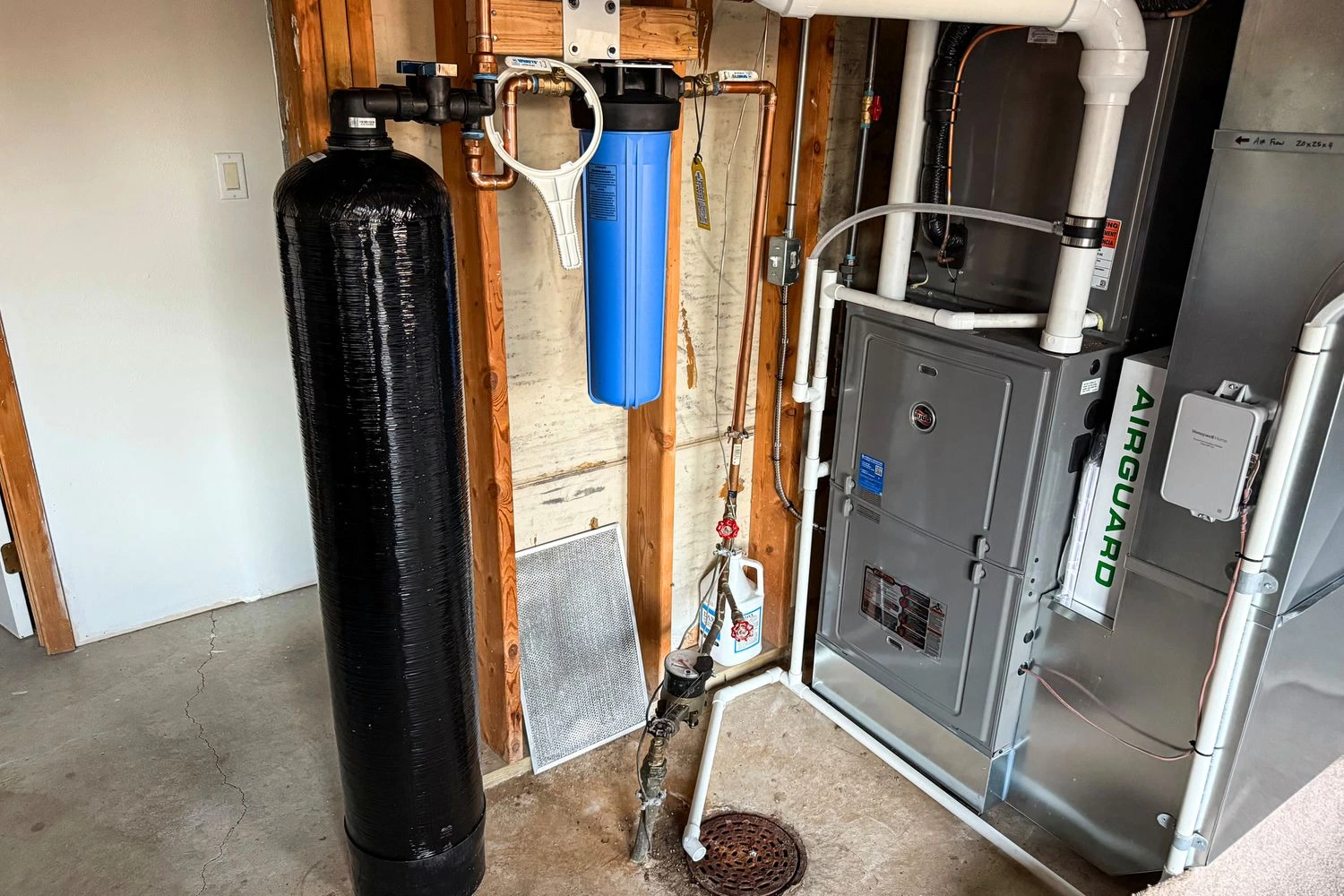
The short answer is: a saltless system doesn't "remove" minerals like calcium and magnesium; it crystallizes them so they can't stick to your pipes. It’s the ultimate solution for those who want to save money and the environment, but it requires a slightly different approach to home maintenance than what you might be used to.
How a Saltless Water Softener Actually Works
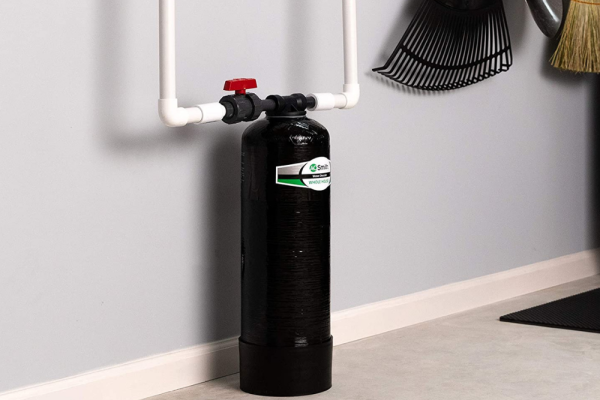
Standard softeners use "ion exchange" to swap minerals for salt. A salt-free system uses a process called Template Assisted Crystallization (TAC). Think of it as a defensive shield for your plumbing. Instead of stripping the minerals away, the system changes their physical structure into microscopic crystals. These crystals stay suspended in the water and wash right down the drain instead of creating that crusty white buildup on your faucets.
The Major Benefits: Why 2026 is the Year of Salt-Free
1. Zero Maintenance
Once your **saltless water softener** is installed, you can practically forget about it. There are no salt levels to check and no heavy lifting required. It’s a "set it and forget it" piece of tech that fits perfectly into the modern, automated lifestyle.
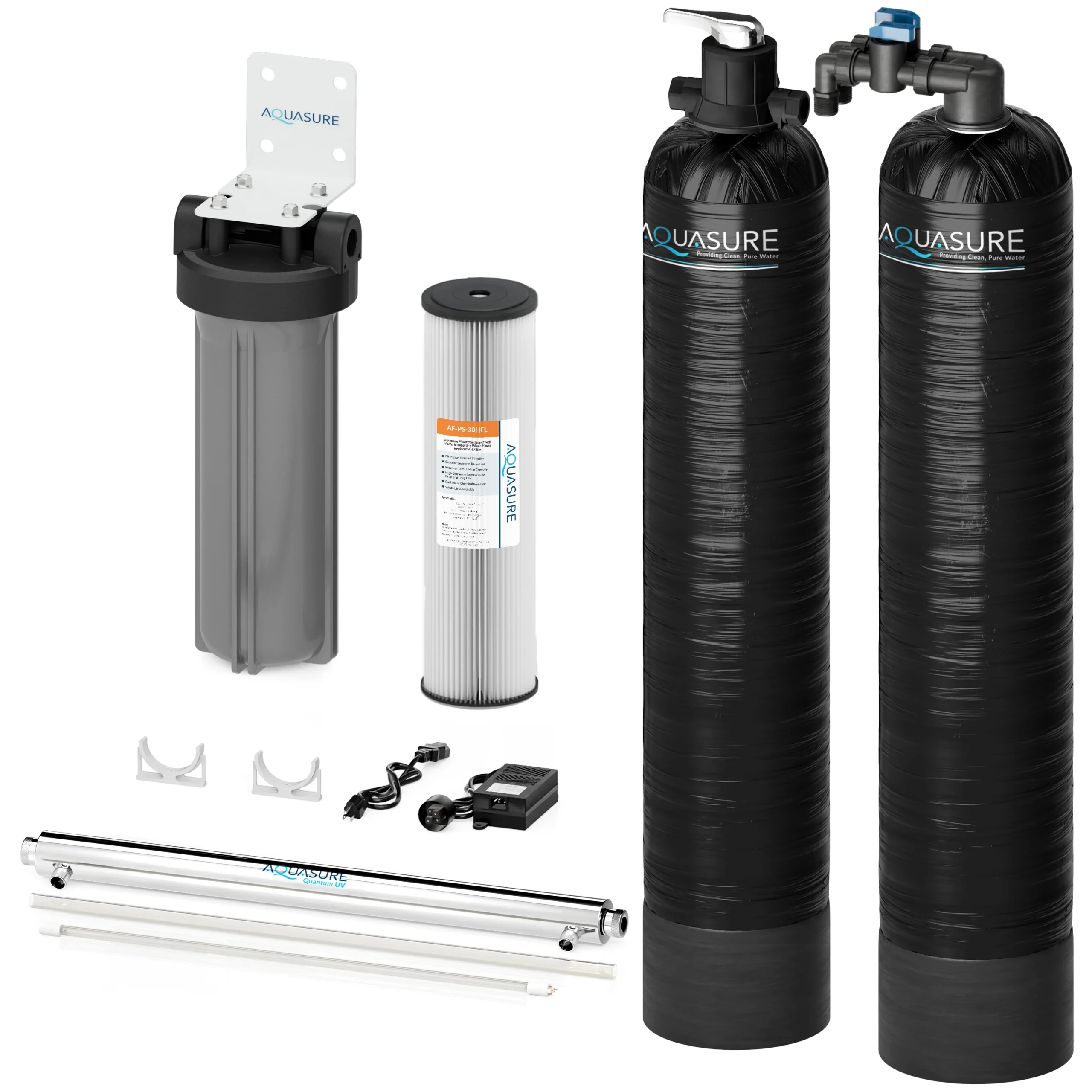
2. Better for Your Pipes and Appliances
Scale is the silent killer of water heaters and dishwashers. By preventing scale buildup, you extend the life of your appliances significantly. If you’ve recently invested in high-end gear like a Momcozy KleanPal Pro Baby Bottle Washer, using conditioned water ensures the heating elements stay pristine for years.
3. Healthier Drinking Water
Traditional softeners add a small amount of sodium to your drinking water. For those on low-sodium diets, a salt-free system is the healthier choice. You keep the beneficial minerals like calcium without the "slippery" feel that salt-softened water often has.
Installation and Expert Maintenance
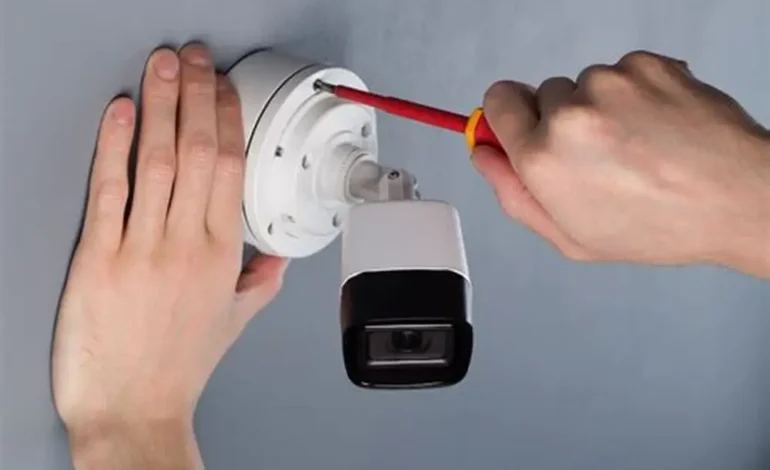
Installing these systems is generally straightforward for a DIYer, but you should always check the state of your pipes first. If you have an older home, you might have existing scale buildup that needs to be cleared out before the new system can perform at its peak.
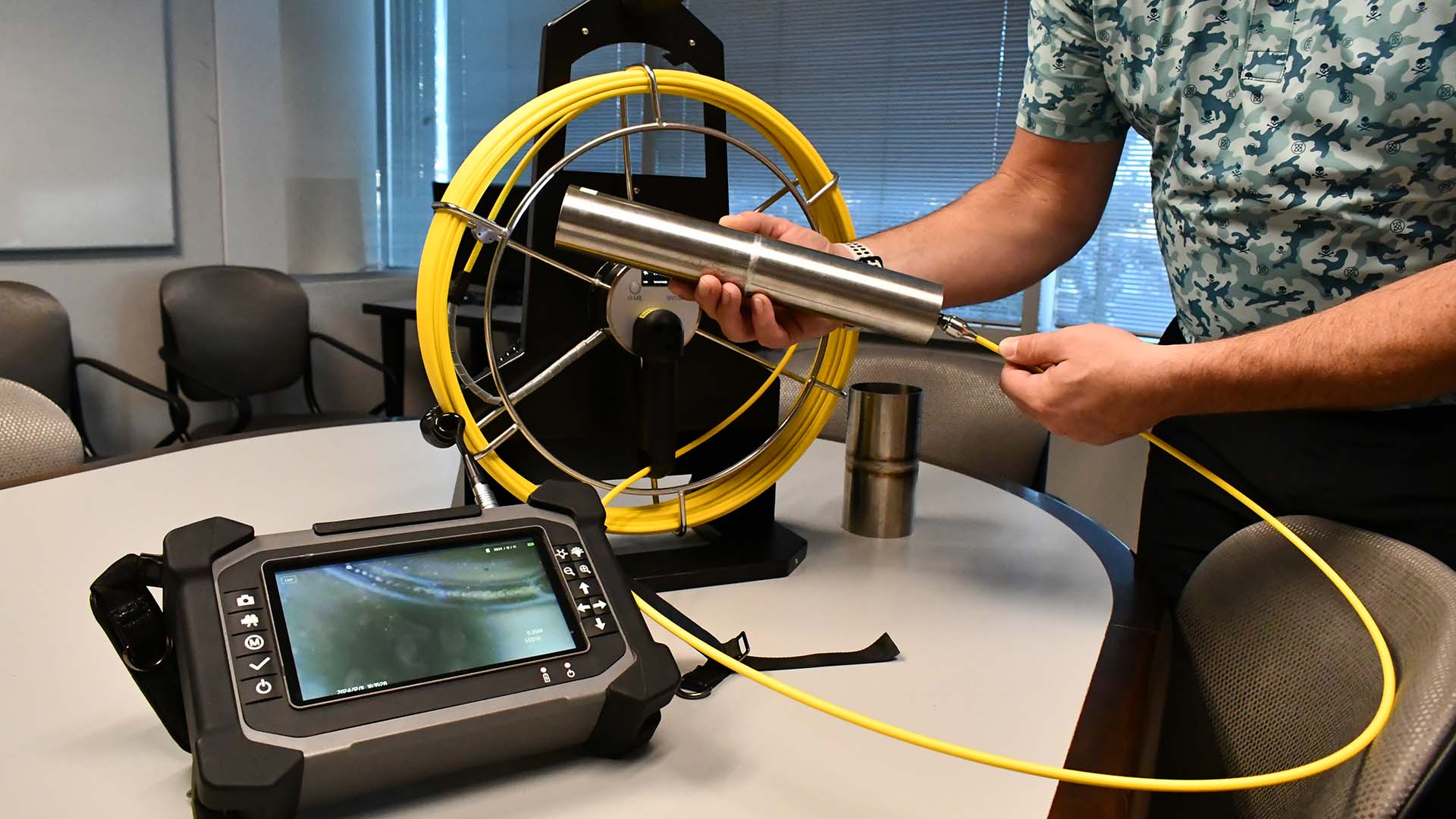
For a deep look at your plumbing health before installation, using a Borescope Inspection Camera is an expert move to ensure your pipes aren't already narrowed by years of hard water damage. See why users prefer this: it takes the guesswork out of plumbing health.
Ready to protect your pipes and appliances?
Join thousands of homeowners switching to maintenance-free scale prevention.
Check Price on Amazon*Top Rated: iSpring ED2000 Whole House Electronic Descaler
Saltless Water Softener FAQ
Does a salt-free system remove lead or chlorine?
Usually, no. Most saltless conditioners focus only on scale. If you want to remove chemicals, look for a "whole-house" system that includes a carbon filter alongside the saltless unit.
Will my water feel "soft" like it does at a hotel?
No. That "slippery" feeling comes from the lack of minerals. Since salt-free systems keep the minerals in (but neutralized), your water will feel "natural"—more like high-quality spring water.
Is it safe for septic systems?
Yes! In fact, saltless systems are much better for septics because they don't discharge high concentrations of brine, which can disrupt the bacterial balance in your tank.