Scotts Turf Builder EdgeGuard Mini Review: The 2026 Expert Guide

Mar 29, 2026
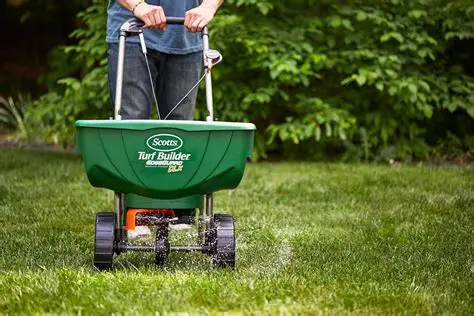
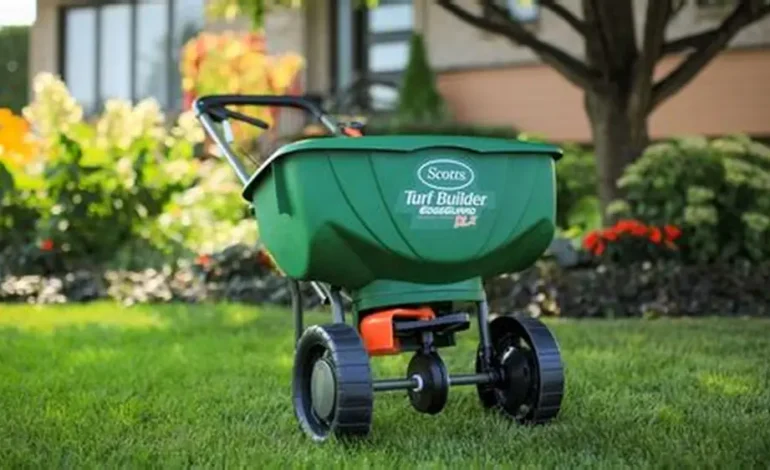
The Scotts Mini is designed for precision in standard suburban yards.
🏆 Editor’s Choice: Best Small Lawn Spreader
The Scotts EdgeGuard Mini is the perfect “set it and forget it” tool for suburban homeowners. It comes 100% pre-assembled and ready to work. Check Current Price on Amazon1. What is the Scotts EdgeGuard Mini? (Deep Dive)
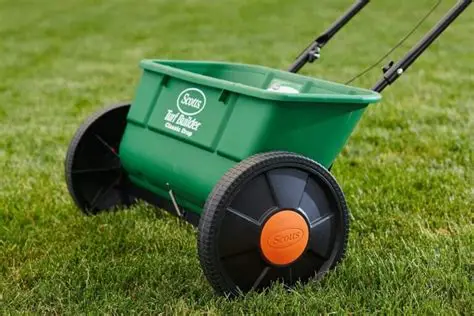
The “EdgeGuard” Advantage: Protecting Your Landscaping
The standout feature for 2026 is the patented EdgeGuard Technology. By sliding the orange lever on the handle to “ON,” you drop a physical shield that blocks the right side of the spread pattern. This ensures that fertilizer goes on your grass—and stays off your driveway, sidewalk, or flower beds. This isn’t just about neatness. Fertilizer on concrete eventually washes into storm drains, contributing to water pollution. By using the EdgeGuard, you are practicing “Smart Lawn Care” that protects the local environment in New York or wherever you call home.2. Comparison: Mini vs. DLX vs. Elite
Before you buy, ensure you are getting the right size for your specific lot. Using a spreader that is too small leads to constant refilling, while one that is too large is hard to maneuver in tight spaces.| Model | Lawn Capacity | Wheel Type | Best Use Case |
|---|---|---|---|
| Mini (This Model) | 5,000 sq. ft. | Plastic / Hollow | Standard Suburban Yards |
| EdgeGuard DLX | 15,000 sq. ft. | Pneumatic (Air) | Large Corner Lots |
| Elite Spreader | 20,000 sq. ft. | 10″ Never-Flat | Estate-Sized Lawns |

The orange lever allows you to switch EdgeGuard on and off instantly.
3. The “Secret” 2026 Spreader Settings
Finding the right setting is the difference between a golf-course-quality lawn and a burnt-out mess. While every bag of Scotts Turf Builder has the setting listed, here are the most common 2026 settings for the Mini:- Standard Fertilizing (Turf Builder): Setting 3 to 4.
- Grass Seed (Overseeding): Setting 7.5 to 8.
- New Lawn / Bare Spots: Setting 13.
- Weed & Feed Products: Setting 3.5.
- Winter Ice Melt / Salt: Setting 5 to 6.
4. How to Fix the “Striping” Problem (Expert Strategy)
The #1 complaint on Amazon is that the Mini leaves dark green stripes in the lawn. This happens because fertilizer granules can hit the hollow plastic wheels and fall straight down in a heavy line. Here is the Tech Home USA pro-fix:- Walk Briskly: You must maintain a pace of 4 feet per second. Speed generates the centrifugal force needed to “fling” the product past the wheels.
- The 5-Foot Overlap: Each pass should be 5 feet apart. Use your previous wheel tracks as a guide.
- Cardboard Wheel Mod (Optional): Many enthusiasts tape a piece of thin cardboard to the inside of the wheels to deflect granules back toward the spinning disc.
- Wash After Use: Dried fertilizer is corrosive and sticky. Hose down the wheels and the “agitator” inside the hopper after every use to ensure the next application is smooth.
5. Advanced Troubleshooting
Is your spreader acting up? Check these common issues:- The Dial Won’t Turn: This is usually caused by grit or sand getting into the dial mechanism. Flip the unit over and spray the dial with a hose. Once dry, apply a small amount of WD-40.
- Product Won’t Drop: Ensure the agitator (the little spinning wire inside the hopper) isn’t clogged with damp fertilizer. Always spread when the grass and the product are dry.
- Handle Keeps Folding: Ensure the wing nuts on the sides of the handle are tightened fully. If they keep slipping, add a simple lock washer from the hardware store.
6. Year-Round Versatility: From Fertilizer to Ice Melt
One of the reasons the Scotts Mini is so popular is its winter performance. Unlike cheap hand-held spreaders, the Mini can handle the heavier weight of rock salt. If you have a long driveway, using the Mini at Setting 5 will save you 20 minutes of back-breaking labor during every snowstorm. Pro Tip: Rinse the spreader thoroughly after using salt, as salt will rust the metal axle much faster than fertilizer will.7. Maintenance & Storage: The 10-Year Plan
The Mini is designed for easy storage. The handle folds down completely, allowing you to hang it on a wall hook or tuck it into a tight corner. To make your spreader last 10+ years:- Never leave product in the hopper overnight (moisture will clump it and cause rust).
- Dry the axle after washing to prevent corrosion.
- Lubricate the plastic gears with a quick spray of silicone lubricant once a year.