7 Creative Electrical Panel Cover Ideas To Transform Your Room

The electrical panel cover is usually the most uninspired part of any room. Let’s be real: that industrial gray metal box is a total eyesore that sticks out like a sore thumb against your carefully curated decor. I remember moving into my current place in 2024 and staring at the breaker box in my hallway for weeks, wondering how to hide it without getting a lecture from my electrician. Since then, I’ve experimented with everything from simple canvas art to custom-built cabinetry to see what actually works.
Driving traffic to a well-designed home means focusing on the details that others miss. If you want to elevate your space, you need a solution that is “front and center” for style but “hidden in plain sight” for utility. We aren’t just talking about slapping a poster over it; we’re looking at intelligent design that respects National Electrical Code (NEC) requirements while making your walls look like a million bucks. Whether you are a DIY enthusiast or looking for a ready-made decorative electrical panel cover, there is a way to make it look intentional.
1. Using Hinged Wall Art For Your Electrical Panel Cover
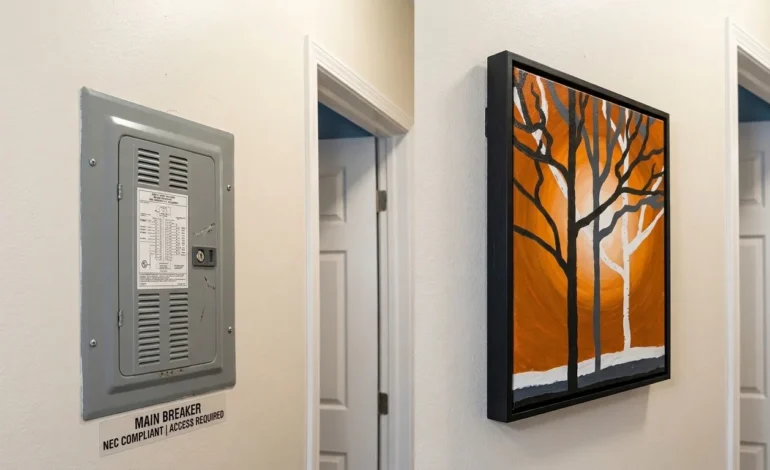
One of the most effective tricks I’ve found is using lightweight canvas art attached with small hinges. This isn’t just about hanging a picture; it’s about creating a functional “door” for your electrical panel cover. When I tried this in my office, I used a set of $5 tiny brass hinges from the local hardware store. The beauty of this method is that it allows for instant access—which is vital if a breaker trips in the middle of the night.
When choosing art, stay away from heavy frames. You want something that won’t strain the hinges or the wall. I personally love the look of a large, abstract canvas. It covers the entire metal surface and adds a splash of color. Just make sure the art is slightly larger than the breaker box itself so the edges are completely concealed.
2. Building A Custom Cabinet Around The Electrical Panel Cover
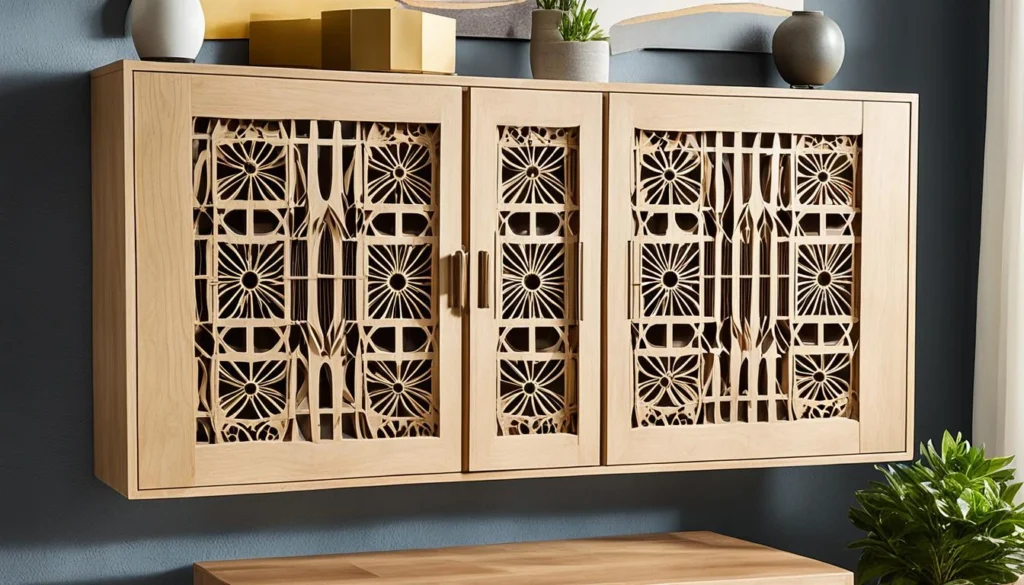
If you want a more permanent and “high-end” feel, a shallow custom cabinet is the way to go. This is a bit more of a project, but the results are stunning. I built one for a client last year using MDF and some sleek matte black hardware. We basically created a frame that sits around the electrical panel cover and added a door that matches the rest of the room’s trim.
|
Feature |
Hinged Art |
Custom Cabinet |
Decorative Screen |
|
Skill Level |
Beginner |
Advanced |
Intermediate |
|
Cost |
$30 – $100 |
$150 – $400 |
$50 – $200 |
|
Access Speed |
Very Fast |
Moderate |
Fast |
|
Durability |
High |
Excellent |
Moderate |
For the door, you can even use a slatted wood design. This is a huge trend in 2026 because it adds texture and depth. Brands like Lowe’s or Home Depot sell pre-cut slats that make this much easier than it looks. Just ensure you maintain the required 36 inches of clearance in front of the panel so it stays legal and safe.
While aesthetic upgrades are a great start, many homeowners are now opting for a full tech integration. If you are planning a renovation, it is worth looking into a smart electrical panel installation to monitor your energy usage in real-time and truly bring your home into 2026.
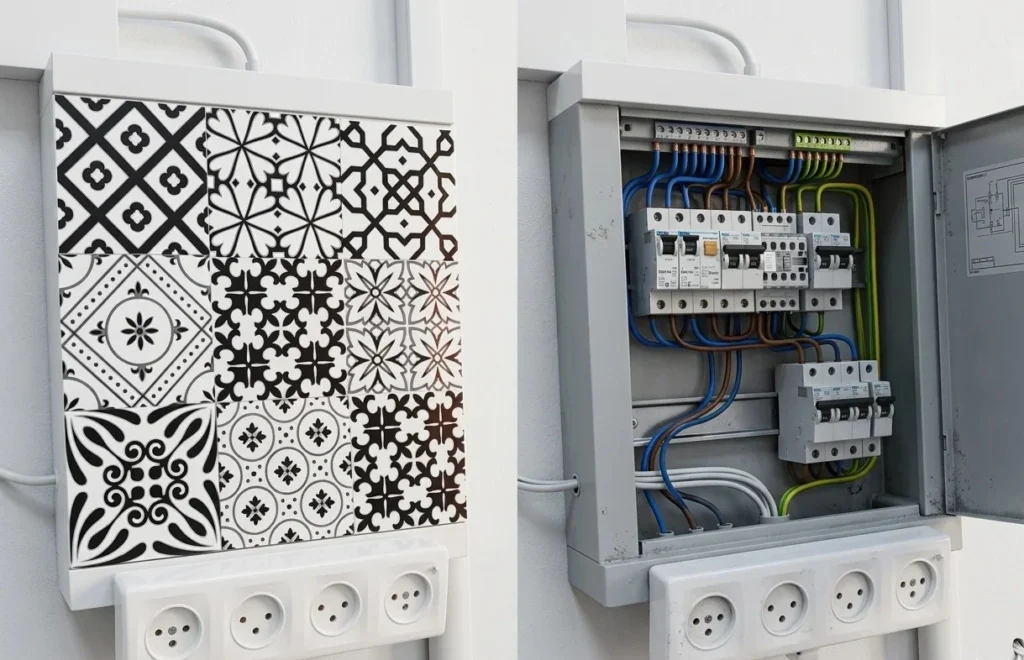
3. The Power Of A Floating Command Center
Why not make your electrical panel cover work for you? I’ve seen some incredible “command centers” that use the metal door as a base for magnetic organizers. You can find magnetic whiteboards or even small mesh bins on Amazon for about $25.99 that snap right onto the surface.
This turns a dead zone into a productivity hub. We often forget that these panels are usually located in transition areas like hallways or mudrooms—perfect spots for grocery lists or key hooks. If you choose this route, don’t over-clutter it. A clean, organized look is key to making it feel like a design choice rather than a junk drawer on the wall.
4. Mirror, Mirror On The Breaker Box
I recently saw a gorgeous gold-rimmed mirror at West Elm that would be perfect for this. It’s heavy, which means standard hardware just won’t cut it if you want that flush, professional look. This is where most people fail and end up with a crooked electrical panel cover that ruins the room’s symmetry.
Instead of hiring a contractor for $500 to handle a “simple” mounting job, the Pro Secret is investing in a high-end self-leveling green laser level. When we are dealing with heavy glass or custom-built doors, you need a 360-degree laser to ensure your National Electrical Code clearance is perfect to the millimeter.
Think of it as a long-term investment in your home’s interior design kit. Using a professional-grade tool from a brand like DeWalt or Bosch (usually priced between $150 and $300) ensures your breaker box stays hidden behind a perfectly aligned, level mirror that looks like it was installed by a master carpenter. It’s a one-time cost that saves you from the “crooked frame” headache and keeps your electrical system accessible and safe.
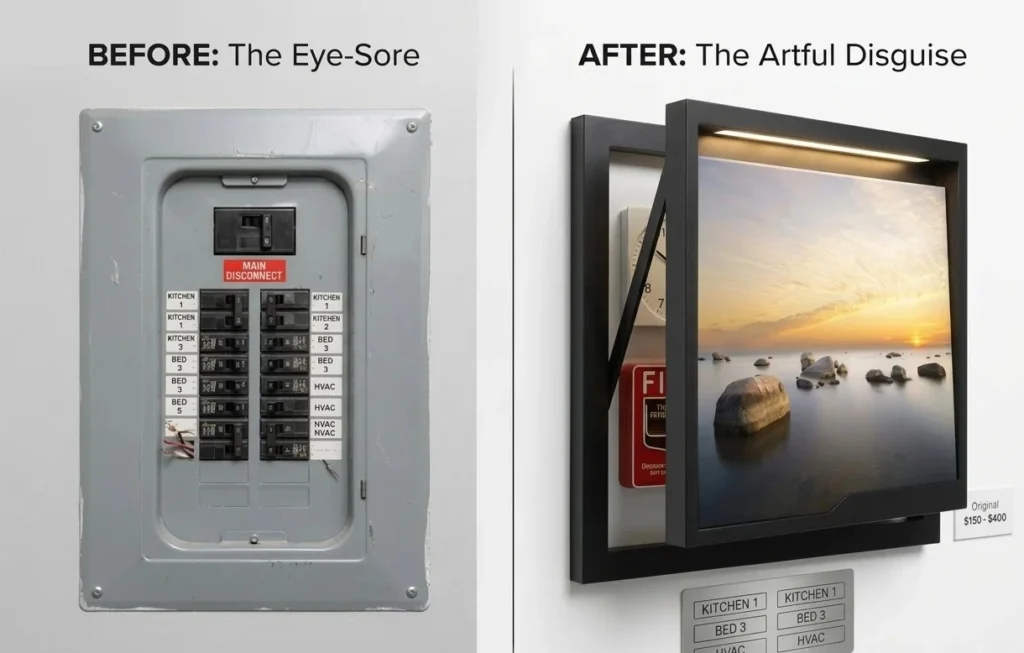
5. Modern Slatted Walls And Hidden Doors
If you really want to go “stealth mode,” consider a slatted feature wall. This is where you cover a larger section of the wall with vertical wood slats, and one section is actually a hidden door that leads to the electrical panel cover. It’s the ultimate “secret agent” home upgrade.
Professional designers are leaning heavily into this in 2026. It creates a seamless, architectural look. While it might cost a bit more—expect to spend around $500 to $1,000 for a full wall—the property value boost is significant. It takes an ugly necessity and turns it into a high-end design feature.
6. Using Removable Wallpaper Or Paint
Sometimes, the best way to hide something is to make it blend in. I’ve had great success using peel-and-stick wallpaper directly on the electrical panel cover. If you match the pattern to the surrounding wall, the panel almost disappears. This is the most budget-friendly option, often costing less than $20.
Pro Tip: Never paint or wallpaper over the safety labels on the inside of the door. Inspectors need to see those, and you’ll need them for reference if you ever have to troubleshoot a circuit!
If you prefer paint, use a high-quality metal primer first. I suggest a matte finish to reduce the glare that often makes the metal stand out. Brands like Sherwin-Williams offer amazing “cabinet-grade” paints that stick to metal surfaces without chipping over time.
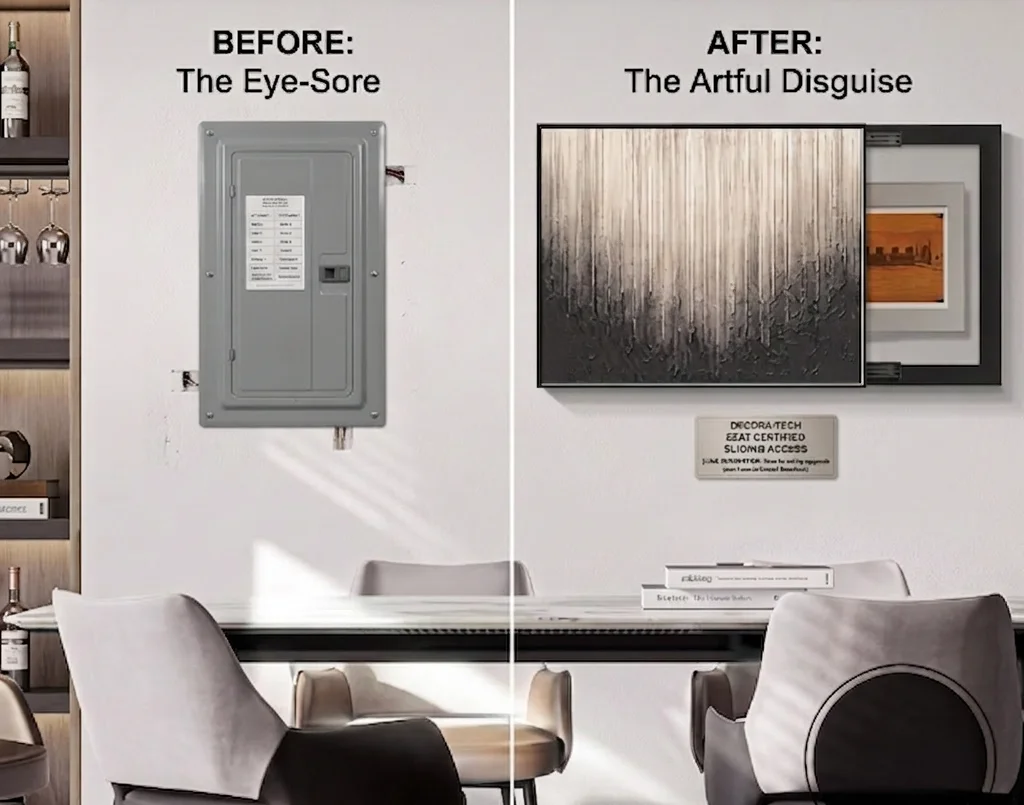
7. Safety First: Staying Code Compliant
Before you get too deep into your DIY electrical panel cover project, let’s talk about the boring (but vital) stuff. According to OSHA and the NEC, your panel must be “readily accessible.” This means no locks that require a key you don’t have, and no heavy furniture blocking the way.
We always recommend leaving at least 30 inches of width and 78 inches of height as clear workspace. If a fire starts or a circuit overloads, you or a first responder needs to get to that breaker box in seconds. Don’t sacrifice safety for a “pretty” wall. Every solution I’ve listed here allows for quick, tool-free access to your electrical system.
FAQ: Frequently Asked Questions
Can I legally cover my electrical panel?
Yes, you can cover it as long as it remains “readily accessible.” This means you shouldn’t need a screwdriver or a ladder to get to it, and it shouldn’t be blocked by heavy objects.
What is the best material for a decorative electrical panel cover?
Lightweight materials like canvas, MDF, or thin wood are best. They allow for easy hinging and won’t put too much stress on your wall.
How much does a professional electrical panel cover cost?
Pre-made decorative covers on sites like Amazon or Etsy usually range from $40 to $150. Custom-built cabinetry can go upwards of $300.
Does covering the panel cause overheating?
As long as you aren’t sealing it airtight or filling the space with insulation, a simple decorative cover won’t cause heat issues. Standard panels are designed to dissipate a small amount of heat through the metal casing anyway.
Transforming your electrical panel cover from a “metal monster” into a piece of art is one of those small wins that makes a huge difference in how your home feels. It’s about being intelligent with your space and refusing to let utility dictate your style.